English in the City
The ECS Scotland monthly bulletin
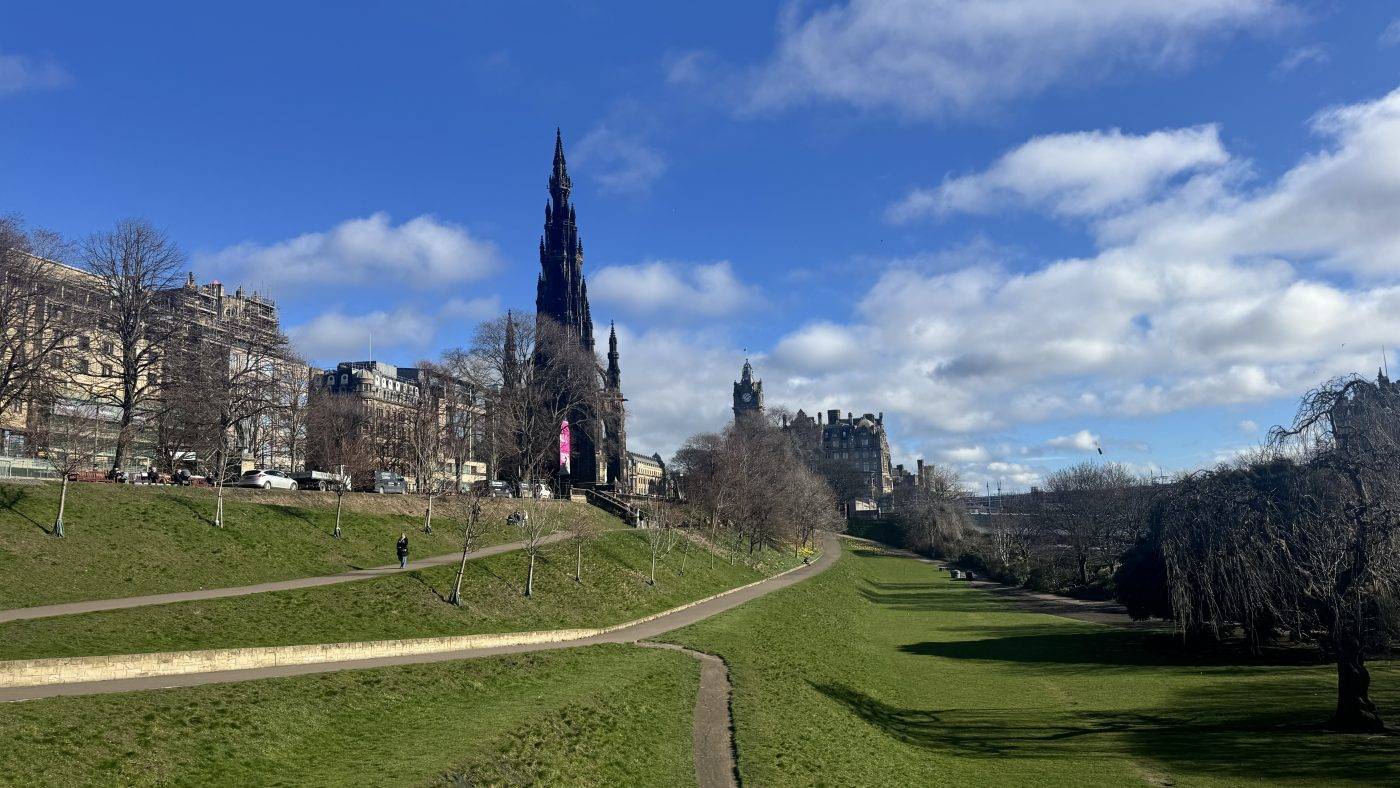
Early spring learning and cultural life in Edinburgh
March brings a noticeable shift in Edinburgh.
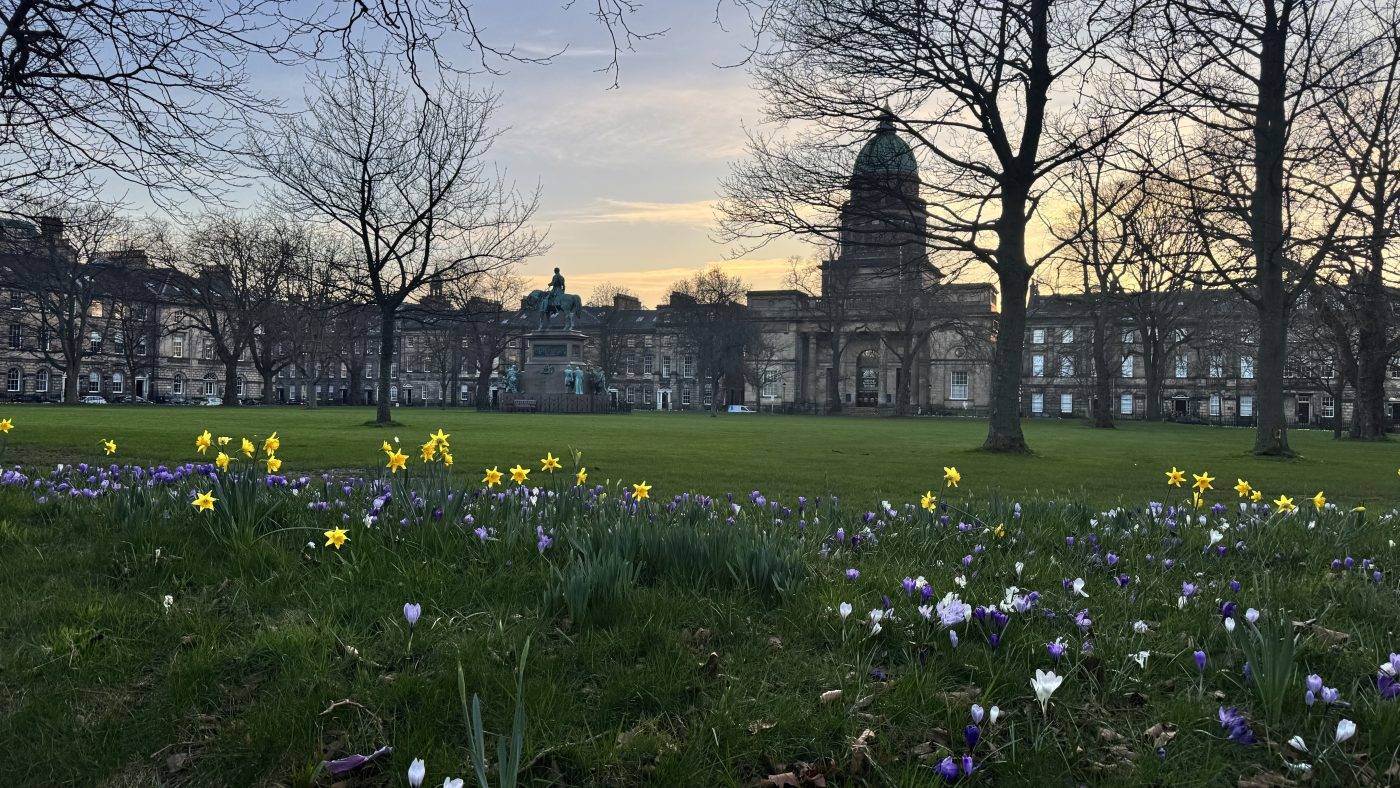
The days are growing a little longer, daffodils are appearing in gardens and parks and there is a lot more daylight and sunshine. Cafés are busier again, people linger on park benches their faces turned towards the sun. The city and the people are ready for spring.
For visitors studying English in Edinburgh, March is a wonderful time to experience the rhythm of the city while discovering neighbourhoods, ideas and culture alongside classroom learning.


Course highlight - speaking, listening and exploring the city
Many students joining ECS Scotland this month are focusing on General English Speaking & Listening, followed by the Experience Edinburgh course after coffee break.
Morning classes concentrate on building confidence through conversation: discussing current topics, sharing experiences, improving pronunciation and expanding vocabulary for real-world communication.
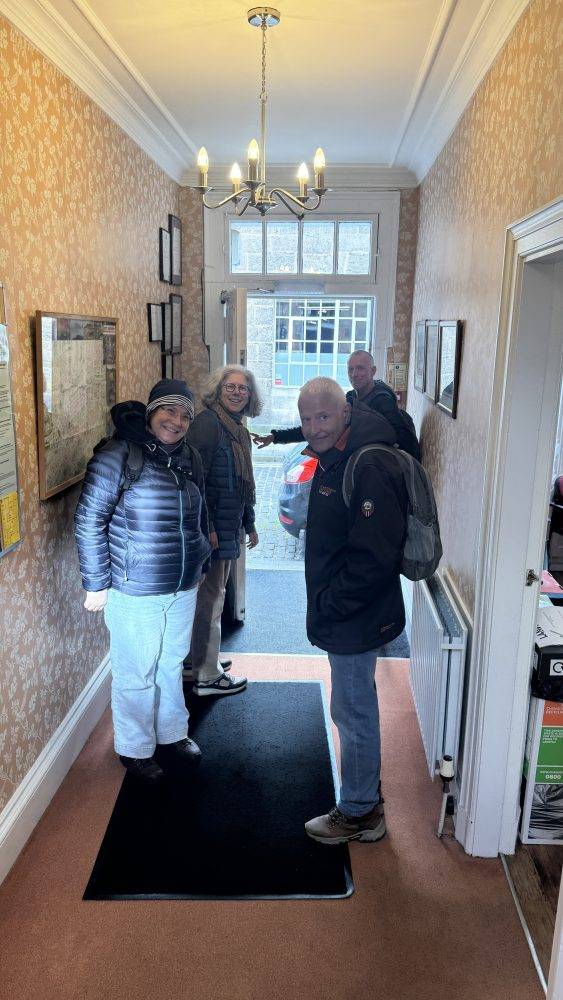
After coffee break, Experience Edinburgh takes learning beyond the classroom. Rather than following a typical tourist route, the course explores different parts of the city while discussing themes such as history, culture, social change and everyday life in Scotland.
Students often find that conversations flow naturally while walking and so it become a relaxed way to practise English while discovering new places in the city.
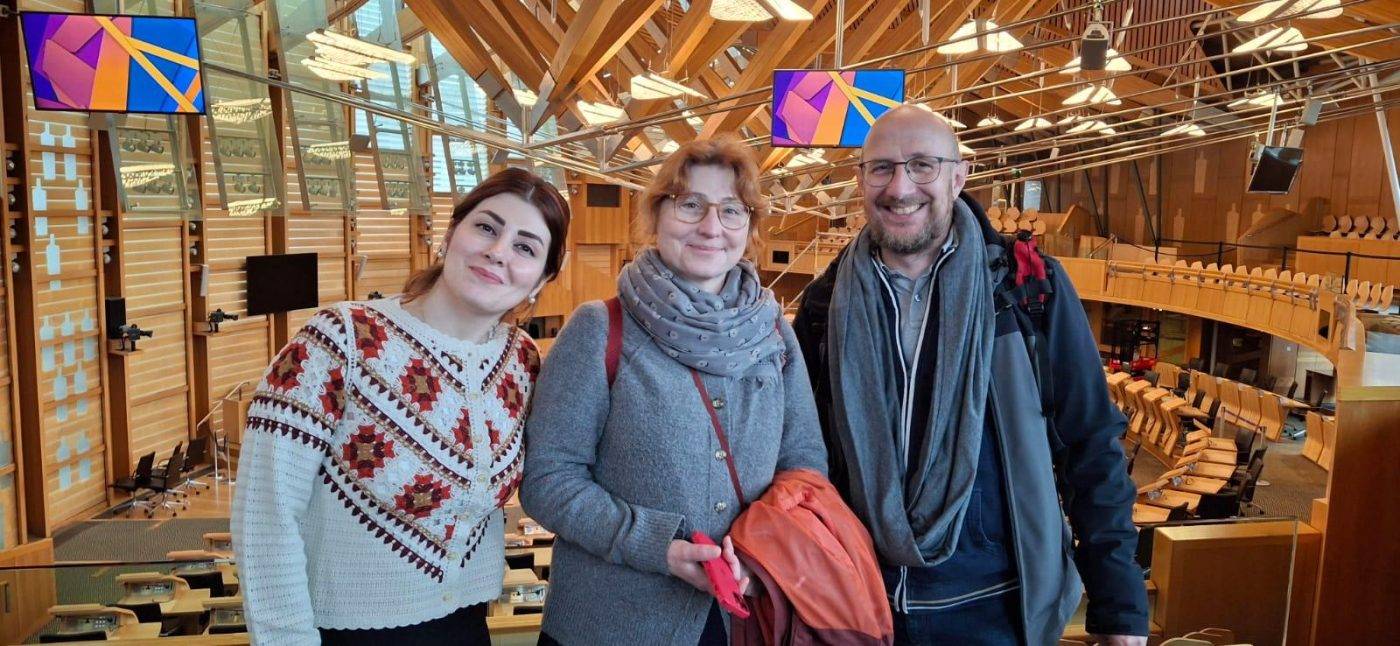
Language & ideas - the history of English and Scots in ten objects
This month Jane (The Principal) attended a lecture at the Royal Society of Edinburgh titled The History of English and Scots in 10 Objects.
The talk explored how language develops through everyday life and is shaped by culture, politics, technology and social change. By looking at objects connected to communication and daily living, the lecture showed how both English and Scots have evolved alongside the societies that use them.
It was a reminder that language is never static. It grows through human activity — through trade, migration, literature, printing, education and conversation.
For learners, this is an encouraging idea: English isn’t a perfect system to master but rather a living language that continues to adapt and change.

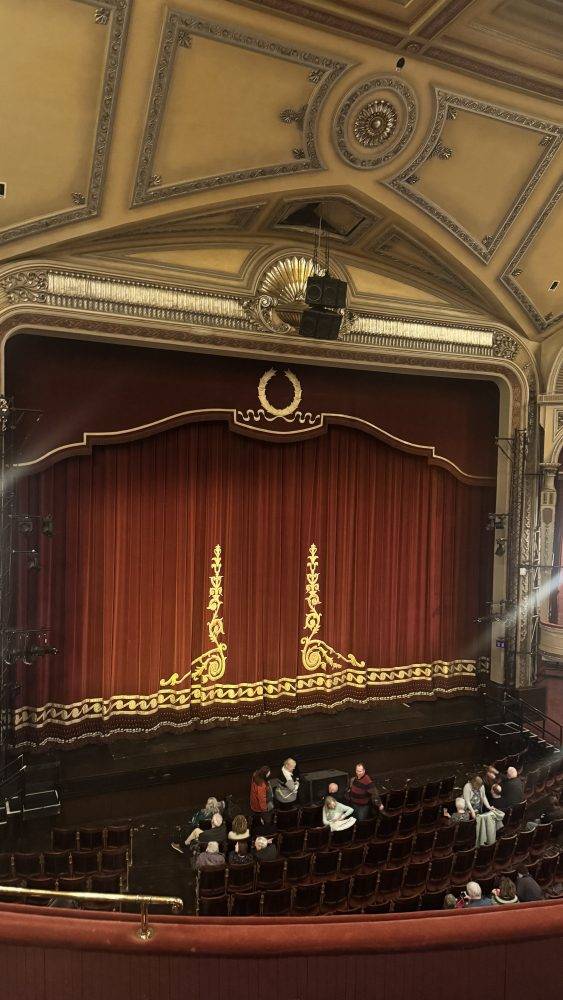
Culture in the city - music, theatre and film in March
Edinburgh’s cultural life becomes livelier as spring approaches.
At the Usher Hall, orchestral concerts continue throughout March, bringing major works and international performers to the city’s historic concert hall.
The Festival Theatre and Traverse Theatre are also hosting a varied programme of drama, dance and touring productions, offering visitors a chance to experience theatre in English in an authentic setting.
Meanwhile the Filmhouse, recently reopened, is once again screening a thoughtful mix of international cinema, independent films and curated programmes — an excellent option for a rainy afternoon and a natural way to hear English in context.
Language insight
Useful phrase: “make the most of something”
This common English expression means to use an opportunity well.
Example:
Many students want to make the most of their time in Edinburgh while studying English.
It’s a natural phrase often used when talking about travel or learning experiences.
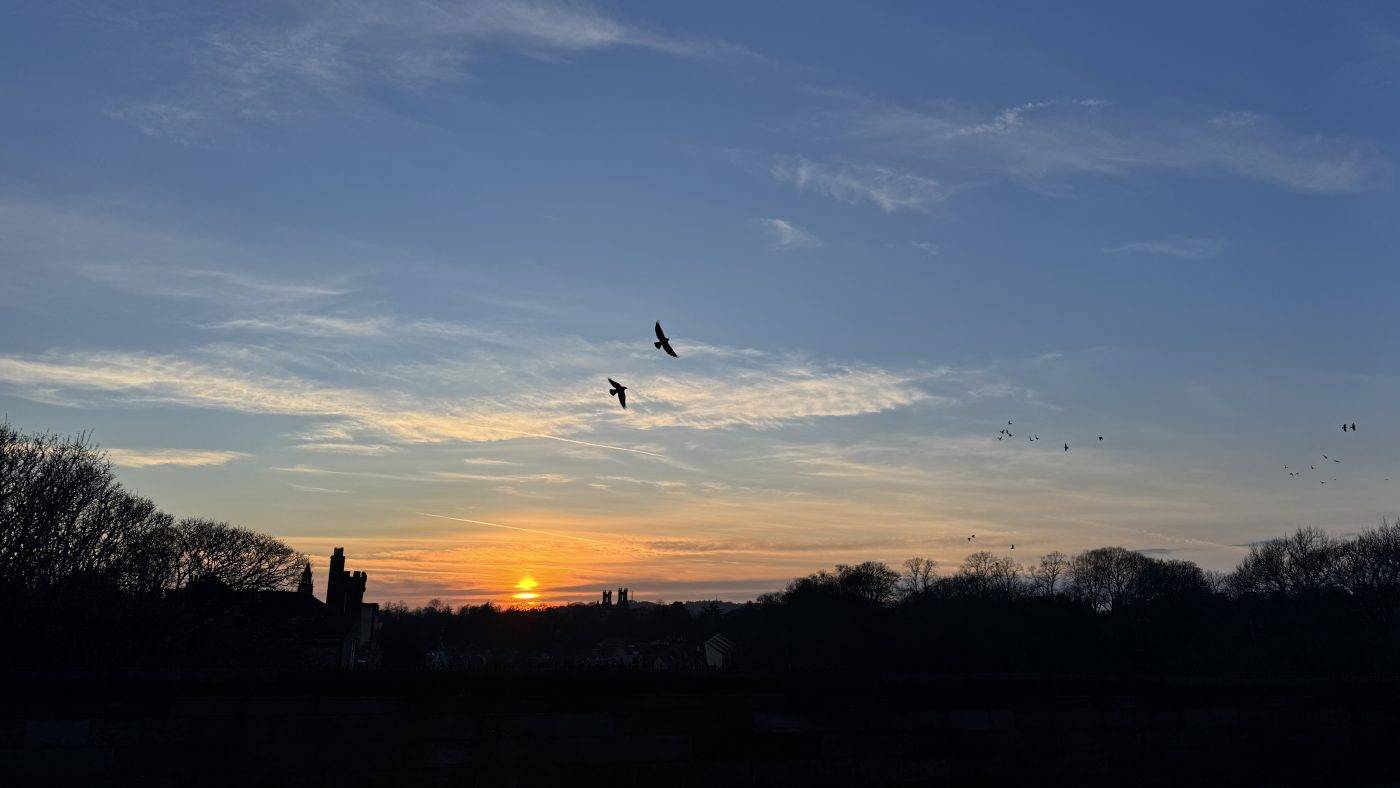

Seasonal traditions - The Spring Equinox and Ostara
Around 20 March, many cultures mark the spring equinox, when day and night are nearly equal in length.
In Celtic traditions this seasonal turning point is sometimes associated with Ostara, a festival celebrating balance, renewal and the gradual return of light after winter. The equinox reminds us that the natural world is shifting again towards growth and longer days.
In the traditional Celtic Ogham tree calendar, late March also marks the beginning of the Month of Alder (Fearn) — a time symbolically connected with decision-making, intuition and new beginnings.
Across Scotland, the natural signs are easy to see: snowdrops fading, crocuses appearing and the first hints of green returning to trees and gardens.
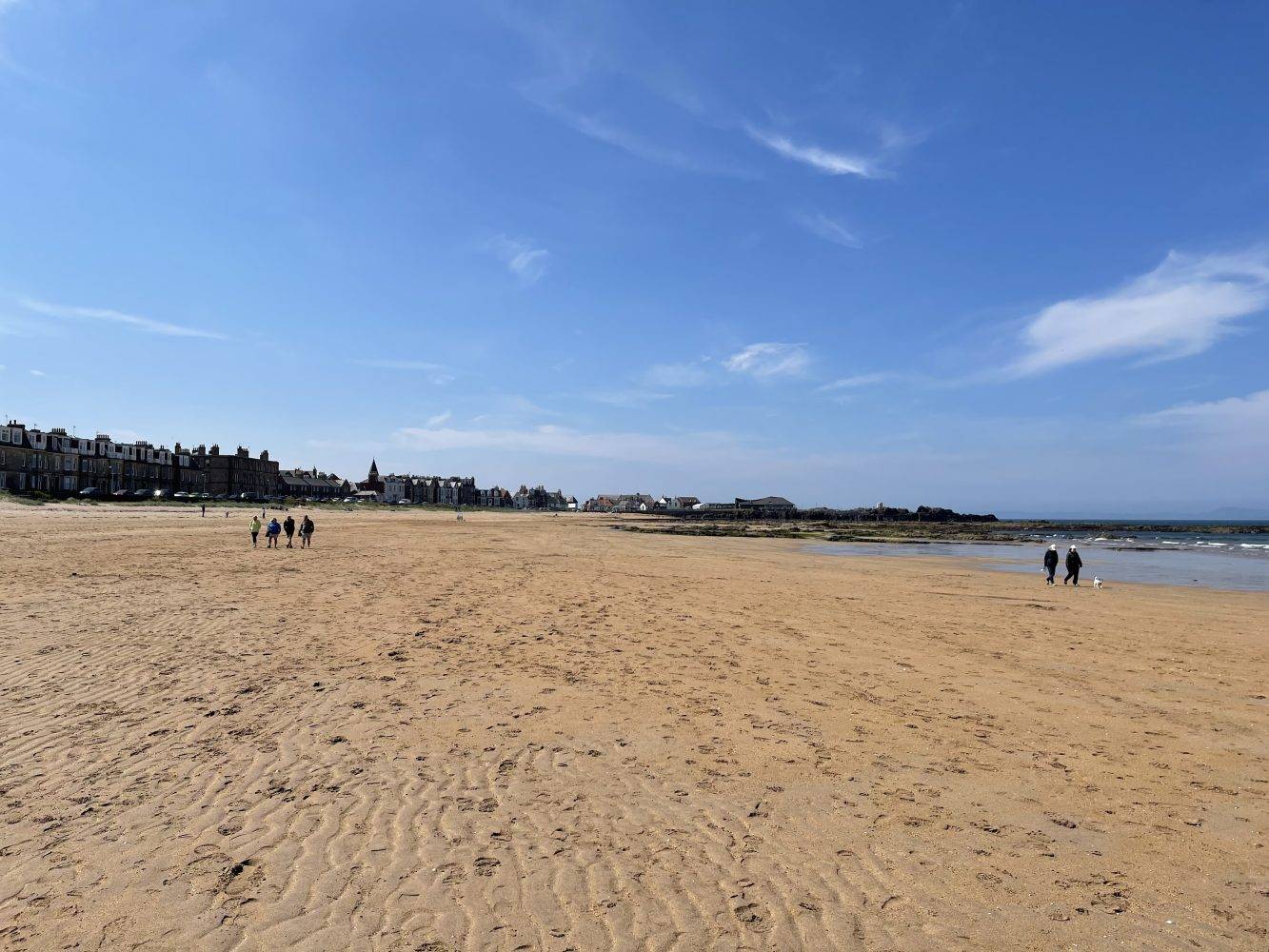
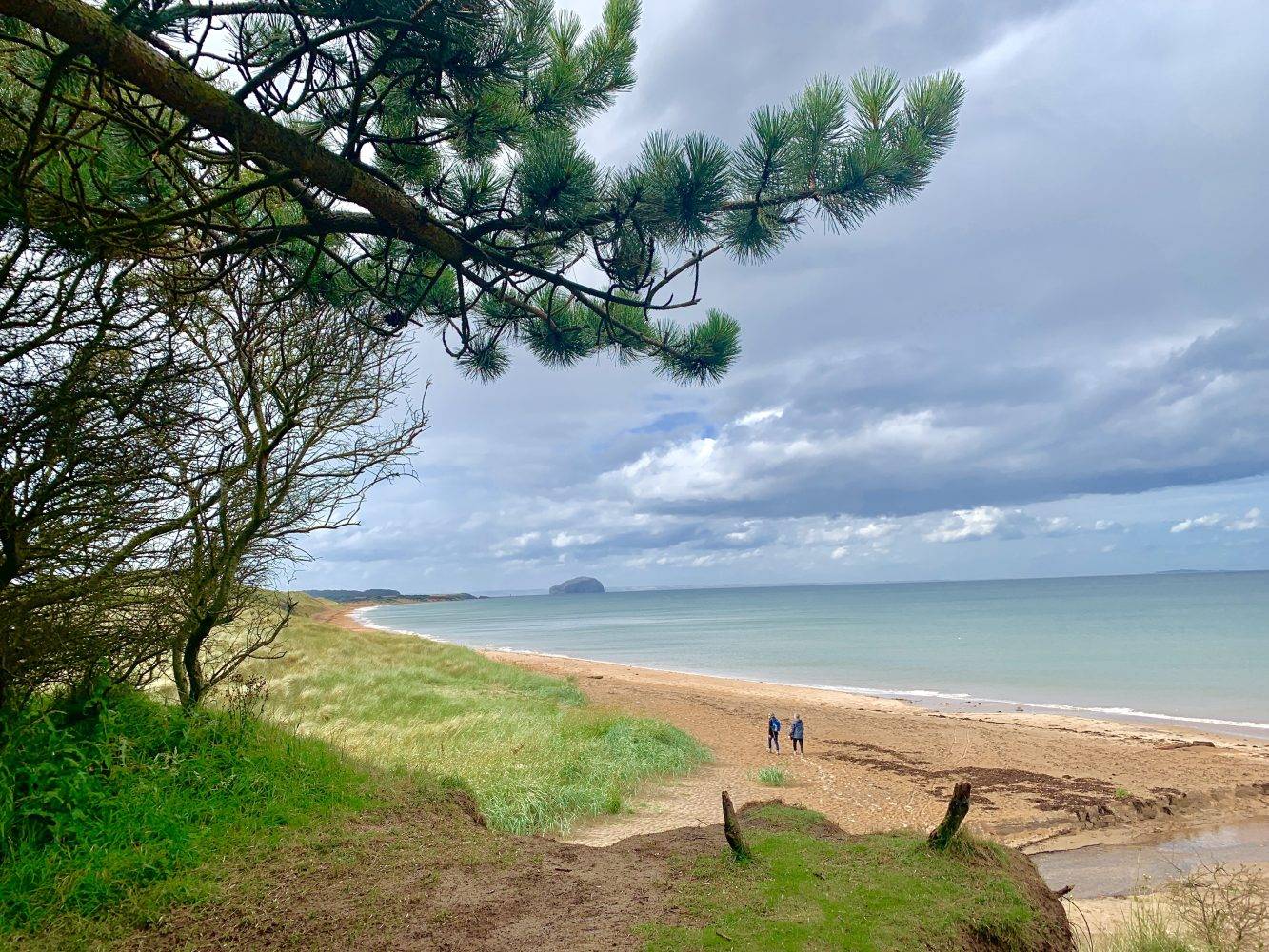
A walk to try this month - Gullane and the East Lothian coast
When the weather is clear, a short journey East of Edinburgh reveals some of Scotland’s most beautiful coastal scenery.
One of the easiest and most rewarding options is Gullane, a small seaside village about 45 minutes from the city.
To get there, simply take the X5 or 124 bus from Edinburgh city centre towards North Berwick and get off at Gullane.
From the village you can walk across grassy dunes to a wide sandy beach with views across the Firth of Forth. On bright days you can see as far as the islands and the distant hills of Fife.
It’s an ideal short excursion: fresh air, open space and a chance to enjoy the Scottish coast before returning to the city.
Local dish to try this month
Scottish lamb
Early spring is traditionally the beginning of the Scottish lamb season, when lamb from the hills and farms of Scotland begins to appear in restaurants and markets.
Simple preparations are often the best: roast lamb with potatoes and seasonal vegetables, or slow-cooked lamb dishes served in traditional Scottish pubs.
For visitors, it’s a delicious way to experience local produce and seasonal cooking.



Scotland and the six nations
March is also the final stretch of the Six Nations rugby tournament, one of the biggest sporting events in the UK.
Rugby can be confusing at first for visitors from countries where Rugby is not a common game. Rugby is different to American football. The main difference is that play continues much more fluidly — players cannot pass the ball forward and the game rarely stops for long tactical breaks.
Matches are fast, physical and full of atmosphere, especially when Scotland is playing.
During the tournament many pubs show the games, and it’s common to hear lively conversations about tactics, players and refereeing decisions — excellent listening practice for anyone learning English.
Looking ahead to April
April brings even more reasons to explore Edinburgh.
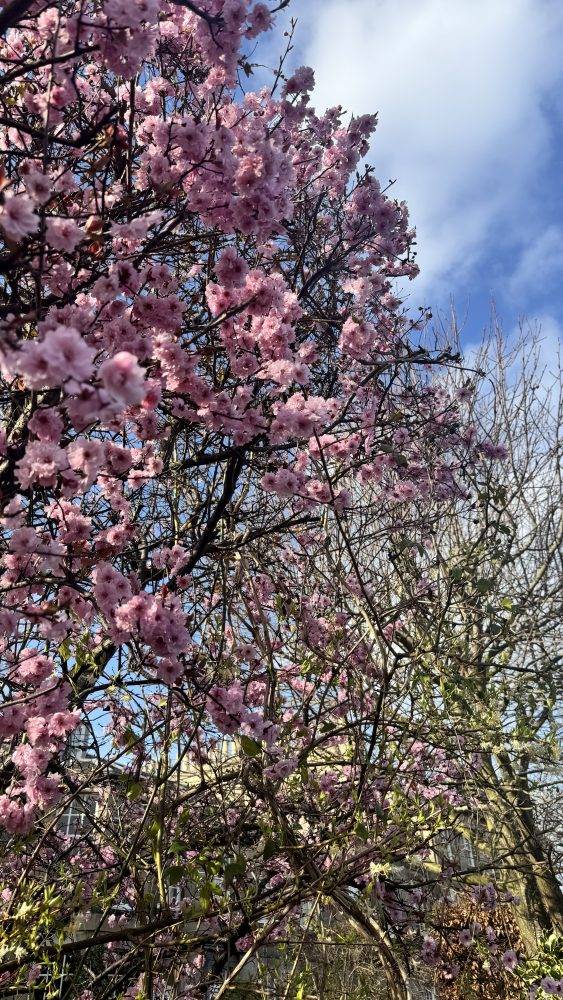
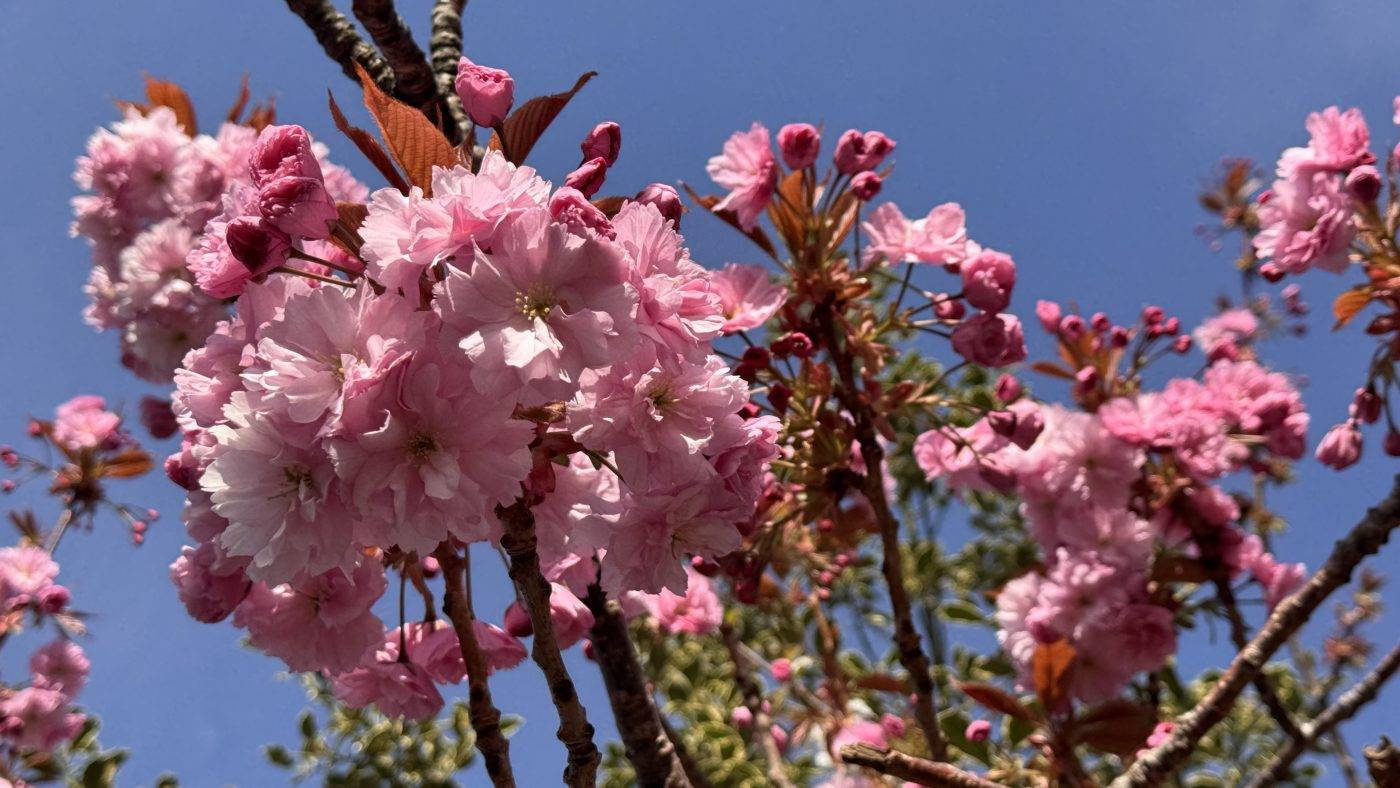
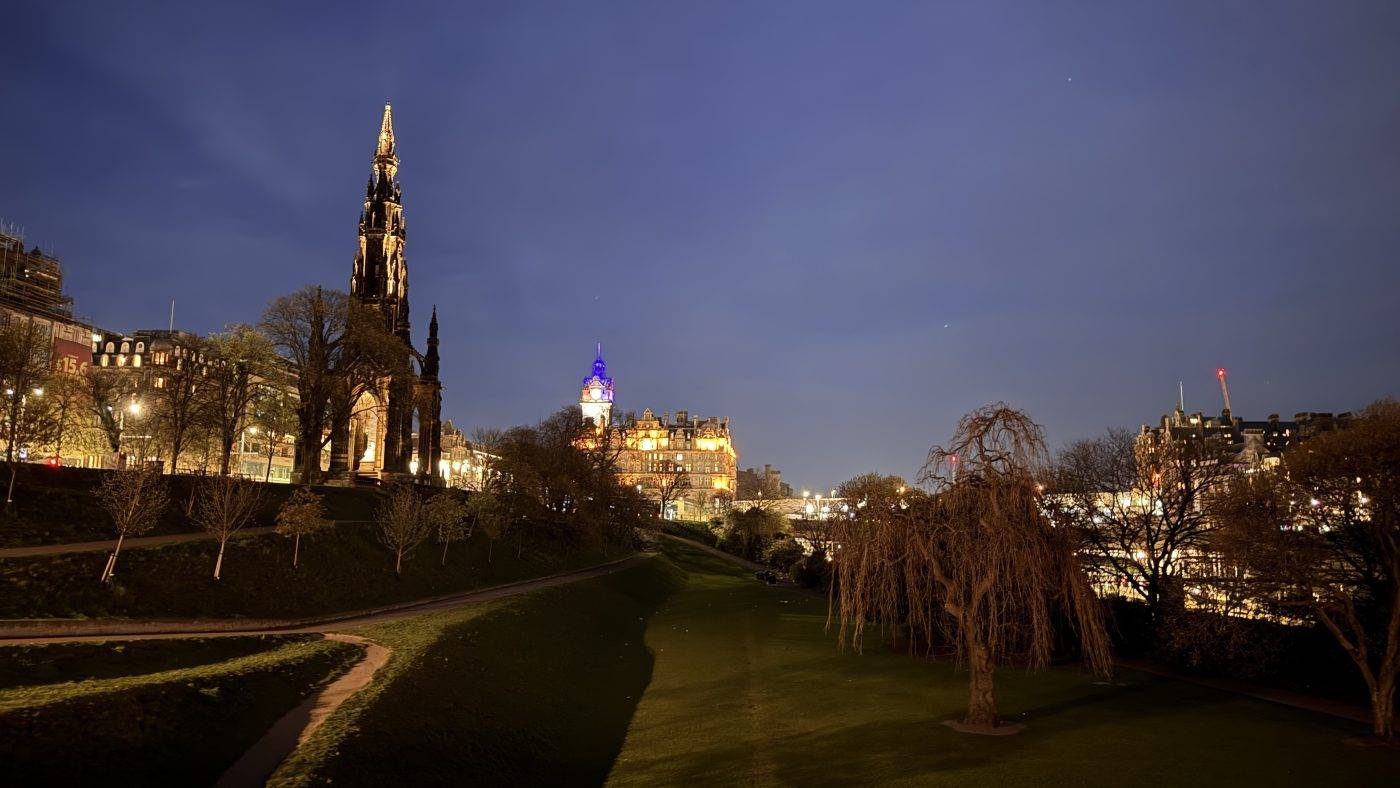
Longer evenings mean more opportunities for walks along the Water of Leith, visits to galleries and evenings at the theatre. The city’s parks will soon be filled with blossom and fresh green leaves and outdoor cafés begin to appear again on sunny afternoons.
For students studying English in the coming months, spring is a colourful time to experience Edinburgh — a city where learning, culture and everyday life naturally come together.

Final thoughts
Many visitors come to Edinburgh for a short time — sometimes just a week or two — but quickly discover how much there is to experience here.
A morning spent discussing ideas in class might be followed by an afternoon exploring a new neighbourhood, an evening concert, a walk by the sea or a conversation in a café.
These are the moments when language becomes something real — part of daily life rather than just something studied.
English in the City is the monthly cultural bulletin from ECS Scotland, sharing life, language and learning in Edinburgh.
If you’d like to see what everyday life at the school looks like, you can also read our Life at ECS Scotland weekly updates, where we share recent moments from lessons, walks around the city and student experiences.