This weekly update shares moments from lessons and everyday life while learning English in Edinburgh.
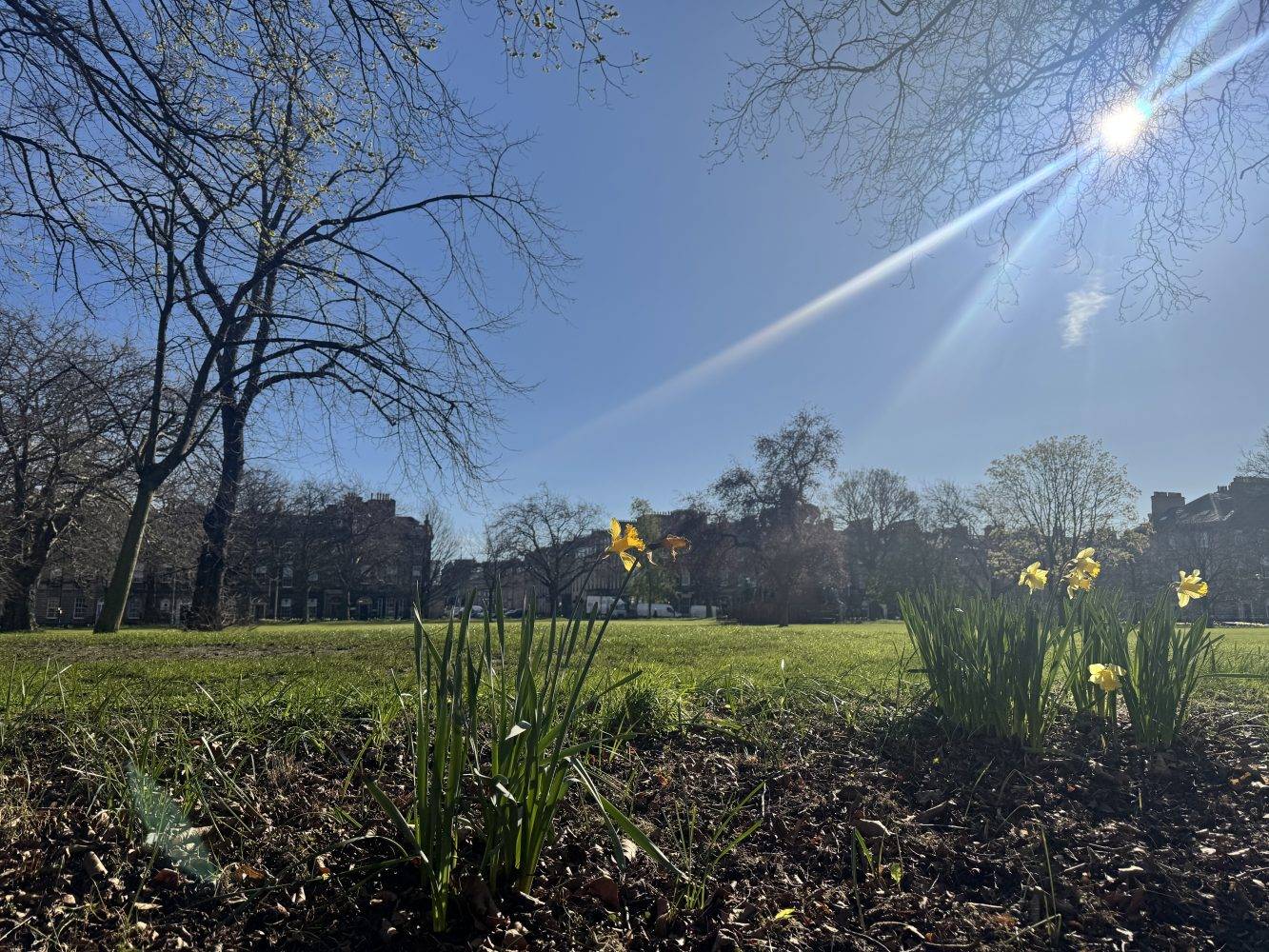
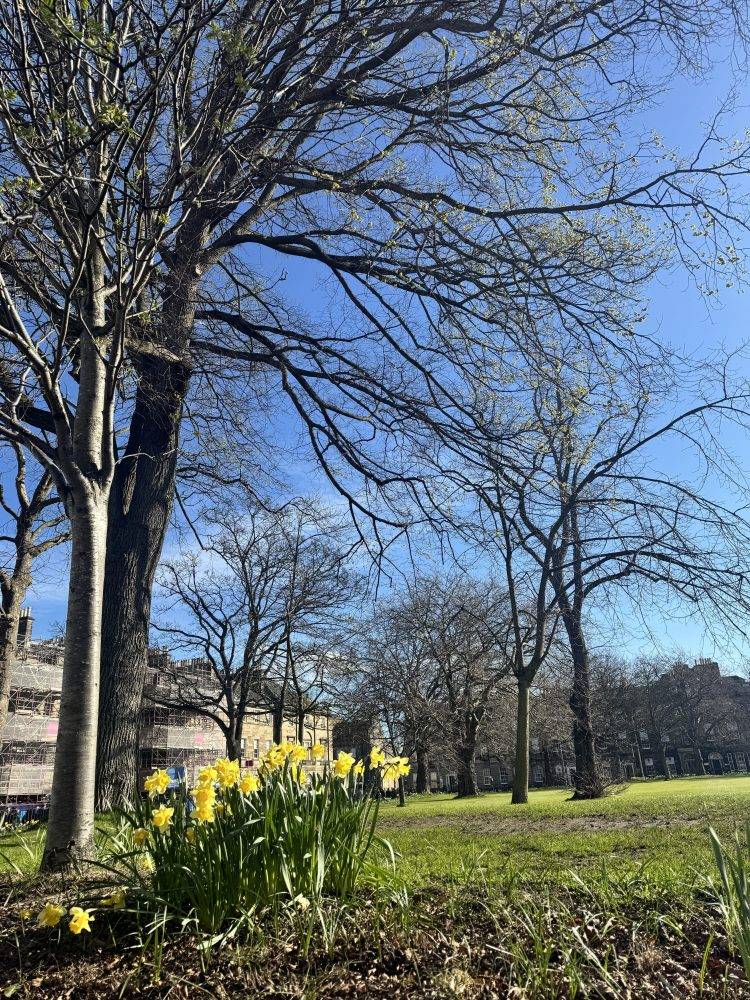
Early spring is now clearly visible across Edinburgh.
Blossoms are appearing in Princes Street Gardens and across the city’s parks. After the Easter weekend, there is a sense of the city moving again.
At the school, painters have been in, refreshing the space and preparing the school for the months ahead.

Learning at ECS Scotland
This week has been quieter in terms of classes but it offers a useful moment to reflect on how learning actually develops.
It’s easy to think that progress happens only during lessons but often it becomes clearer outside that structure. For example, when you step into a different environment and need to use the language in real situations.


How students improve their English
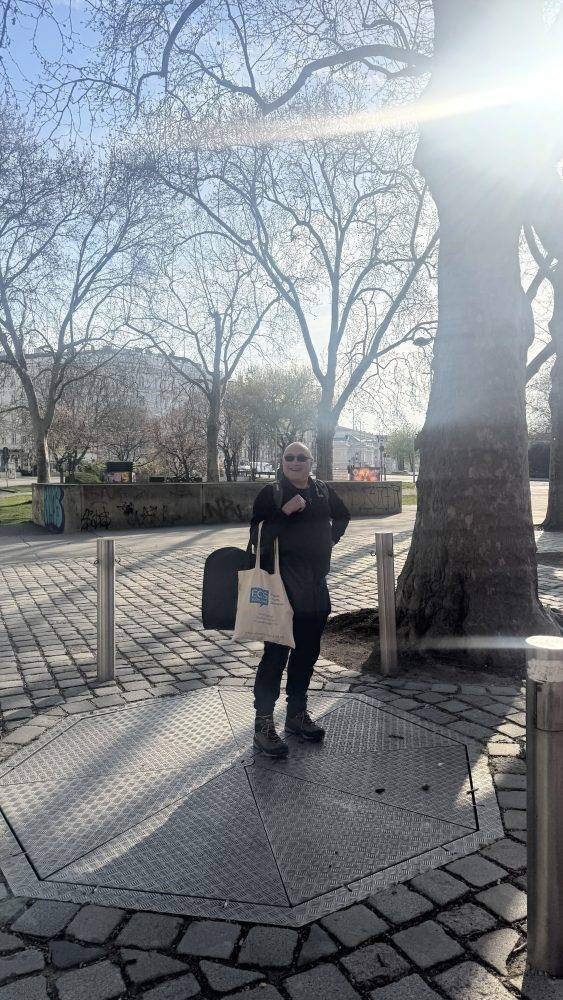
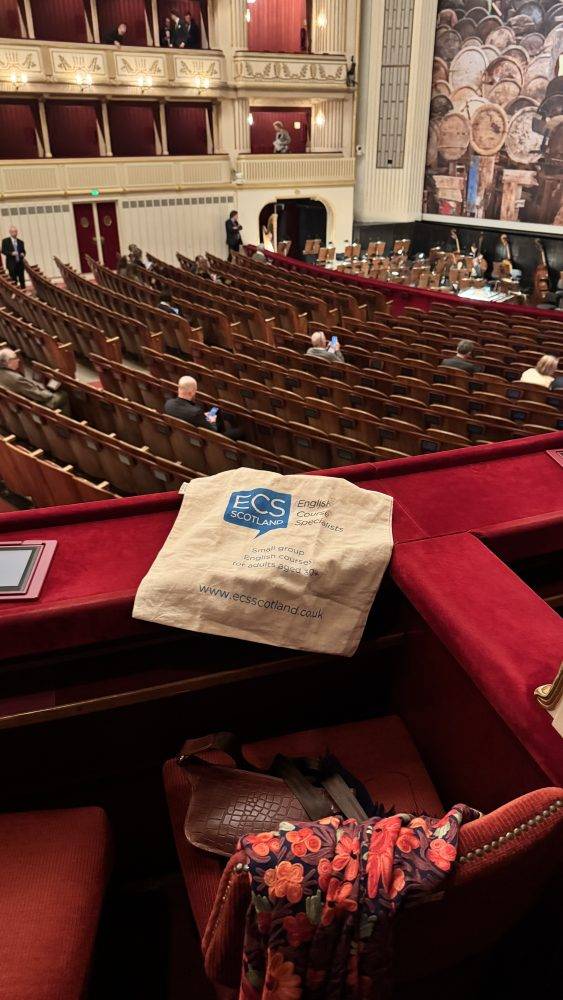
A recent trip to Vienna reminded me what it really feels like to use another language as an adult.
Arriving in a new city, everything is slightly unfamiliar. You have to listen more carefully, trying to tune in to what is being said around you. It takes time for your ear to adjust and for familiar words to begin to return.
At the beginning, speaking can feel difficult. I found myself hesitating, searching for vocabulary and simplifying what I wanted to say.
However, after a few days, something begins to shift.
You start to find your bearings — both in the city and in the language. You recognise patterns of sound and your brain reconnects with words you learned before. Conversations in cafés and shops become easier, even if they are not perfect.
This gradual change is where real improvement in spoken language happens.
Improving your English is not about understanding everything immediately. It comes from repeated contact with the language — listening, trying, adjusting and continuing.
What feels uncertain at first becomes more manageable and often in the end, something you begin to enjoy.


Language insight
Useful phrase: find your bearings
Meaning:
To become familiar with a new place or situation
Example:
It took a few days to find my bearings in the city and feel more confident speaking.
When it’s used:
This phrase is often used when arriving somewhere new and gradually becoming more comfortable and confident.


Edinburgh this spring
Edinburgh continues to feel lively at this time of year.
The Edinburgh Science Festival is underway, bringing exhibitions, talks and events across the city. There is a sense of curiosity and activity, with people moving between venues and exploring new ideas.
Looking ahead, preparations are also beginning for the Beltane Fire Festival and the annual Tartan Parade — both marking the arrival of spring in very different ways.


Seasonal traditions in Scotland
One of the most distinctive spring events in Edinburgh is the Beltane Fire Festival, held each year at the end of April.
Inspired by ancient Celtic traditions marking the beginning of summer, it uses fire, music and performance to represent renewal and the changing season. Today, it takes place on Calton Hill and is known for its strong visual atmosphere and community participation.
More familiar traditions have also been visible in the past week. Easter is marked more quietly in the UK but signs of it appear across the city. For example, chocolate eggs, seasonal food and time spent with family or friends.
The egg itself is traditionally seen as a symbol of new life, linking the celebration to the arrival of spring.
A final thought
Learning a language as an adult often involves stepping into unfamiliar situations.
Whether in a classroom, a café or a new city, progress in learning comes from regular contact with the language. Confidence builds gradually. It also depends on continuing, even when things feel uncertain.


Life at ECS Scotland is our weekly snapshot of learning, teaching and everyday moments at our small English school in Edinburgh.