🌤️ A quiet, bright start to the year: learning English and winter inspiration in Edinburgh
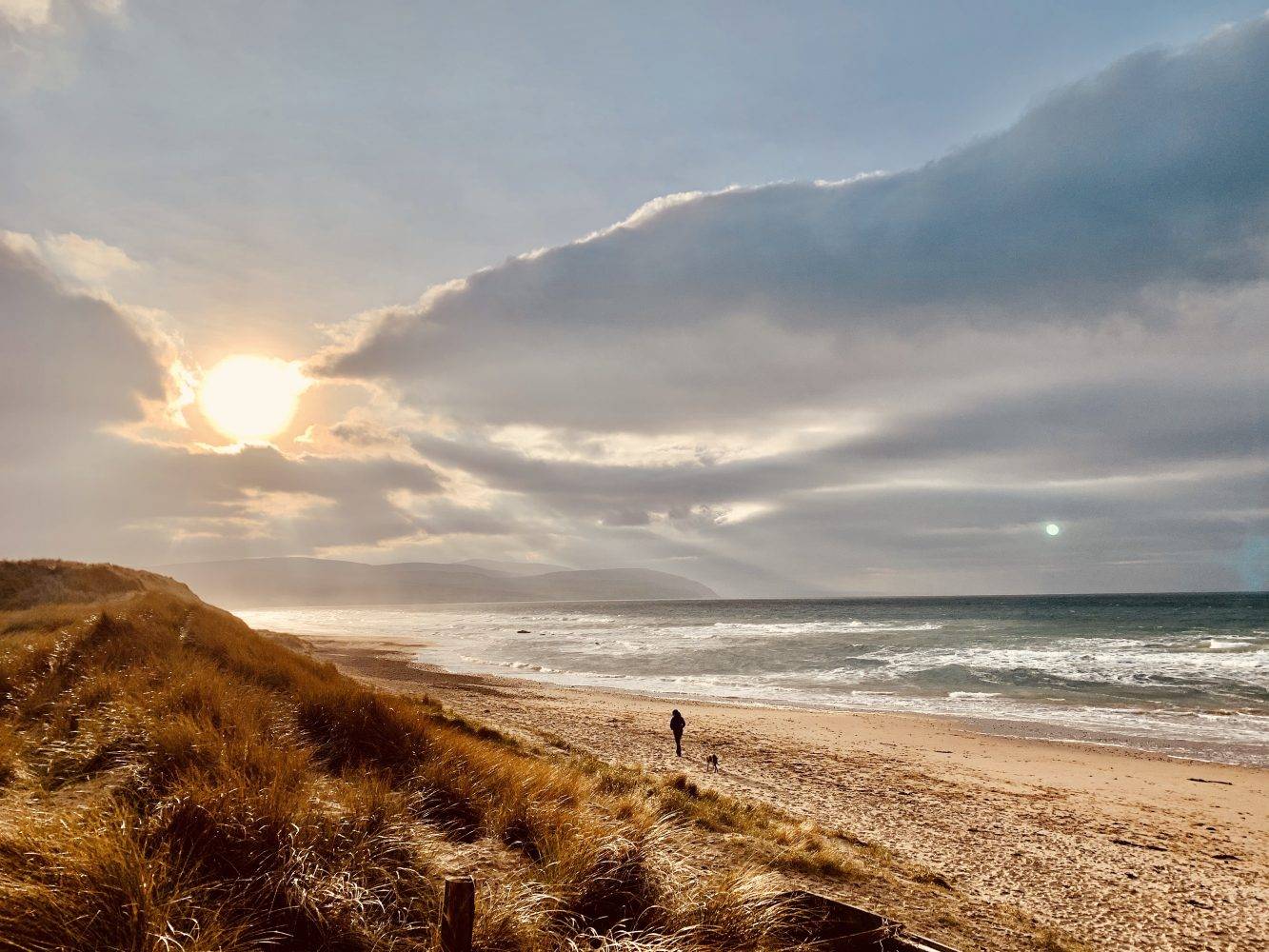
A quiet, bright start to the year
January in Edinburgh has a special atmosphere.
The city feels calm after Hogmanay — a moment to reset, to breathe and to enjoy small winter pleasures: long walks, warm drinks, good books and conversations that build your English little by little.
As we step into 2026 together, here’s your monthly guide to learning, culture and winter inspiration in Scotland.
Whether you’re setting big goals or simply hoping to feel more confident in everyday English, January is a wonderful time to begin again. Small habits make a big difference:
- 10 minutes of listening each morning
- a warm drink and a quiet moment before you study
- one short conversation a day — with a friend, colleague or classmate
- reading something enjoyable, not only something “useful”
Let’s ease into the new year together.



🎨 Video & Exhibition: Turner in January 2026
January brings back one of Edinburgh’s most cherished art traditions: the annual display of J. M. W. Turner’s watercolours at the Royal Scottish Academy.
This free exhibition has been loved in Scotland for more than a century. At the start of a new year — just as we leave the darkest weeks of winter behind — Turner’s luminous skies and sweeping landscapes feel like a welcome burst of colour.
These delicate watercolours were gifted to the nation in 1900 by art collector Henry Vaughan, with one strict rule: they can only be displayed during January, when natural light is lowest and safest.
What’s special in January 2026?
Visitors can enjoy:
- Turner’s Norham Castle, Sunrise — coming to Edinburgh later in the year on special loan from Tate
- an exhibition spanning Turner’s career, with seascapes, landscapes and early architectural scenes
- many works shown in their original 19th-century frames
A perfect winter activity — quiet, reflective and completely free.
Watch the exhibition video:
Turner in January | Scotland & Ireland Exchange Vaughan Bequests
🎧 Turner listening practice (B1–C1)
- What word or phrase does the curator use to describe Turner’s ability to capture light?
“Luminous” / “bright vitality”
- Why are Turner’s watercolours only displayed in January?
Because the low natural light is safest for preserving delicate watercolours.
- What aspects of Turner’s skill are highlighted in the film?
His ability to capture atmosphere, movement and light.
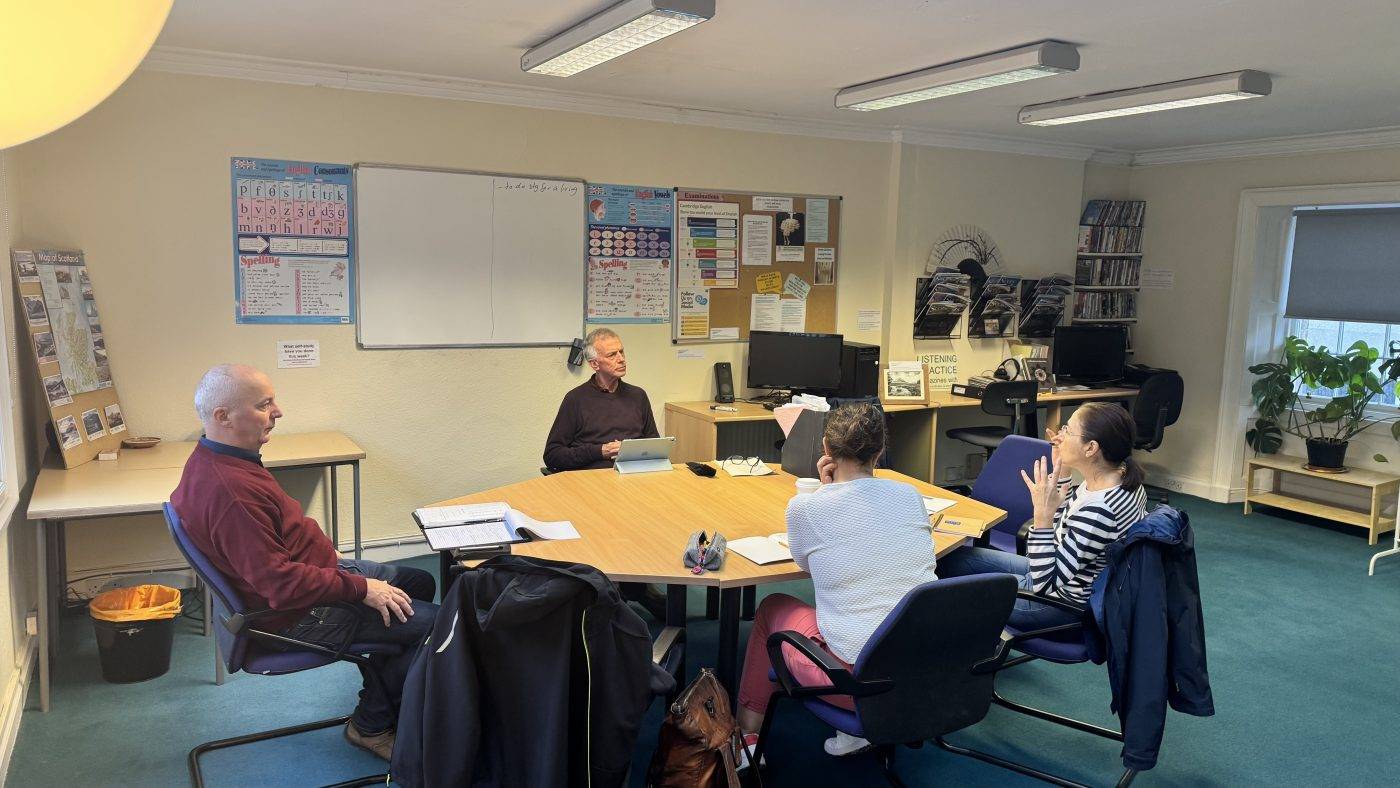

💼 Course highlight of the month: Communication at Work
A new year often brings new professional goals — clearer communication, stronger relationships with colleagues and clients and more confidence in meetings or presentations. January is an ideal moment to refresh your skills and set a positive direction for the year ahead.
At ECS Scotland, our Communication at Work course is designed for professionals who want practical, real-world progress in a short time.
What the course focuses on:
- speaking clearly and naturally in professional situations
- expressing ideas with confidence and precision
- improving email phrasing, tone and structure
- preparing for meetings, interviews and presentations
- developing vocabulary for work-related communication
- building confidence through practice, roleplay and discussion
What students say they value most:
- the small class size (maximum 5)
- time to ask questions and apply new language immediately
- personalised feedback
- feeling more prepared for international work environments

🎶 Music & Culture in January
January is quieter than summer, but Edinburgh’s cultural calendar is still full of rewarding experiences.
🎼 Haydn & Schubert at the Queen's Hall, Edinburgh
A beautiful evening of classical music to brighten the winter months. These concerts are an excellent listening activity: clear acoustics, printed programmes and plenty of chances to discuss impressions afterwards.
🎻 Celtic Connections - Glasgow
Just one hour from Edinburgh by train, this festival celebrates Scottish and international folk music: fiddles, pipes, Gaelic song, bluegrass, world music, collaborations and storytelling through sound.
It’s a brilliant opportunity for English learners: friendly audiences, relaxed settings and music that often comes with stories and cultural explanations.
🎭 Winter theatre at the Lyceum Theatre & Traverse Theatre
January is a strong month for theatre. Productions often run at a calmer pace, and performances are an excellent way to hear natural spoken English in context.
🦁 Edinburgh Zoo’s Giant Lanterns
As darkness falls early in January, Edinburgh Zoo’s illuminated lantern trail offers colour, movement and atmosphere after sunset — a popular winter outing that combines storytelling, design and light.
🔥 Burns Night – 25 January
Burns Night celebrates Scotland’s national poet, Robert Burns — a man of sharp wit, big emotions and beautiful language.
A traditional Burns Supper includes:
- the Selkirk Grace
- the entrance of the haggis (“piped in” with bagpipes)
- the Address to a Haggis
- a meal of haggis, neeps and tatties
- poems, songs and toasts
Where to experience Burns Night
- Museum Lates: Burns Night Special – poetry, performance, music
- Ghillie Dhu Burns Supper – a lively, traditional evening with ceilidh dancing
- Local pubs and restaurants often run small Burns menus or readings
Learning tip:
After a theatre performance, try writing a short reaction:
- What was the story about?
- Which character stayed with you?
- Was the language formal, informal, emotional, humorous?
This kind of reflection is excellent speaking or writing practice.
🌟 Exploring Edinburgh: passes and savings
Several of our students ask about ways to explore Edinburgh that make the most of both time and budget. Most museums and galleries in Edinburgh are free but some of the city’s most popular experiences — like Edinburgh Castle, underground tours or whisky tastings — do have an entry fee.
Two passes exist that may suit certain types of travellers. They’re not essential, but they can be useful depending on how structured you like your visit to be.
🎫 Edinburgh City Pass
Includes entry to multiple attractions over 1–3 days, sometimes with airport transfers or bus tours.
Why some visitors choose it
- Handy if you want to fit several activities into a short stay.
- Simple mobile setup — no need to buy separate tickets.
- A mix of indoor and outdoor options, which can be helpful for Scottish weather.
Things to consider
- best value only if you plan to use it actively
- some activities still need timed bookings
Best for: travellers who enjoy a planned, busy itinerary.
🎟️ Klook Pass Edinburgh
Choose 2–6 attractions from a curated list (e.g., Edinburgh Castle, Holyroodhouse, underground tours).
Why visitors like it
- flexible: choose only the attractions you want
- useful for shorter stays or focused sightseeing
Things to consider
- attractions must be selected in advance
- savings depend on your individual choices
Best for: students who prefer a few high-value experiences rather than a full schedule.

📚 Book of the Month – The Blackhouse by Peter May
For winter reading, the first book in the Lewis Trilogy is atmospheric, gripping and rooted deeply in Scotland’s landscape.
Set on the Isle of Lewis, the story follows detective Fin Macleod as he returns home to investigate a murder connected to his past. What unfolds is a powerful exploration of community, tradition, memory and the difficulty of escaping old wounds.
Why it’s ideal for January:
- a strong sense of place — wild coasts, Atlantic winds, deep history
- clear, accessible writing for B2–C1 learners
- a compelling mystery for long winter evenings
If you enjoy it, continue with The Lewis Man and The Chessmen.

🎧 Podcast of the Month – The Infinite Monkey Cage: What’s the Time?
Robin Ince and Brian Cox visit the Royal Observatory in Greenwich to explore one of the most fascinating everyday questions:
What exactly is time, and how do we measure it?
With guests Marcus Brigstocke, Louise Devoy and Leon Lobo, the episode ranges from:
- Egyptian knuckle-counting
- medieval sundials
- quartz clocks
- atomic timekeeping
- the global systems that keep the world synchronised
It’s clever, witty and ideal for advanced English listening.
🎧 Listening Activities
Designed for B2–C1 students
1️⃣ Before Listening
- 1. How do you usually check the time each day?
- 2. Do you trust the time on your phone or on a clock more? Why?
- 3. Why might it be important for countries to agree on a shared system of time?
2️⃣ While Listening – Find the Answers
- Where is the episode recorded?
A: At the Royal Observatory in Greenwich.
- Q2. What ancient civilisation used “knuckle counting” to measure time?
A: The Egyptians.
- Q3. What is the main problem with using sundials to keep accurate time?
A: They only work with sunlight, so they are unreliable in darkness or bad weather.
- Q4. What modern invention dramatically improved global timekeeping?
A: Atomic clocks.
- Q5. What does Marcus Brigstocke blame the “leap second” for?
A: Ruining the timing of his breakfast fry-up.
3️⃣ After Listening – Discussion or Writing Task
Choose one:
Option A — Reflection
What surprised you most about the history of timekeeping?
Write 4–5 sentences or record yourself speaking.
Option B — Vocabulary in Context
Use these words or phrases in your own sentences:
precision, synchronised, timekeeping, astronomical, accurate, measurement
Option C — Creative Thinking
If you could redesign the world’s time system, what would you change?
Would we still need leap seconds?

🍪 Recipe of the Month – Traditional Scottish Shortbread
Shortbread is one of Scotland’s most loved treats — simple, buttery and perfect with a cup of tea on a cold winter afternoon.
With only three ingredients, it’s an easy recipe for learners to try at home, and a lovely way to bring a little Scotland into your kitchen.
Ingredients
- 125g unsalted butter, softened
- 55g caster sugar (plus a little extra for sprinkling)
- 180g plain flour
Method
- Heat the oven to 190°C (170°C fan).
- Beat the butter and sugar together until smooth and creamy.
- Add the flour and mix gently until the dough just comes together.
- Tip onto a work surface and shape into a smooth ball.
- Roll out to about 1 cm thick.
- Cut into rounds or fingers and place on a lined baking tray.
- Sprinkle with sugar and chill for 20 minutes (this helps them keep their shape).
- Bake for 15–20 minutes until pale golden.
- Cool on a wire rack and enjoy.
⭐ Shortbread Tips (for perfect results)
- Use real butter — it’s essential for the flavour.
- Don’t overwork the dough. Stop mixing as soon as it comes together.
- The little fork holes help the biscuits cook evenly.
- Chilling the dough before baking keeps the edges neat.
🥣 A little cultural note
Shortbread is traditionally eaten at Hogmanay (New Year) in Scotland and is often given as a small gift during the winter months. Its “short” crumbly texture comes from the high butter content — a delicious reminder of Scotland’s love for simple, honest baking.
Watch: How to make shortbread
Shortbread Vocabulary Quiz
1. Softened means:
2. Sprinkle means:
3. Chill means:
4. Golden describes something that is:
5. Dough is:
🧭 One thing to try this week (wherever you are)
You don’t need to be in Scotland to keep your English learning moving forward in January.
This week’s small challenge:
Choose one ordinary moment in your day and describe it out loud in English.
For example:
- what you can see on your walk
- what you’re cooking or eating
- how the weather feels where you live
- what’s happening around you in a café, shop or office
Speak for one minute. No notes. No correcting yourself.
The aim is flow, not perfection. If you want to extend it:
- record yourself once
- listen back once
- notice one thing you did well
Small moments like this build confidence steadily and consistently.
✍️ Language spotlight: January vocabulary
January English often reflects resetting, reflecting and moving forward.
Here are a few useful phrases you’ll hear
👉 Try using one of these phrases in a sentence today.
- to reset – to start again with a clearer focus
January feels like a chance to reset after a busy year.
- to ease into something – to begin slowly and comfortably
I’m easing into my English studies this month.
- to take stock – to reflect on where you are
It’s a good time to take stock of what I want to improve.
- steady progress – consistent improvement over time
Steady progress matters more than quick results.
- to build confidence – to feel more comfortable using English
Regular speaking helps build confidence.

🌱 Final thoughts
January doesn’t need big resolutions.
It’s a month for steady routines, real conversations and confidence in speaking English that grows quietly over time.
Whether you’re learning English at home, planning a future course or already part of the ECS Scotland community, we hope this bulletin brings you ideas, inspiration and a sense of connection.
From all of us at ECS Scotland,
we wish you a positive, thoughtful start to 2026 — and we’d love to welcome you to our school this year.
"Mind yourself, and take English one step at a time."