Improving your English is easier when you have regular practice, clear goals and opportunities to use the language in real situations.
You can make progress at home, especially if you build small habits into your week. But if you would like to feel more confident speaking, it also helps to have structure, feedback and time with other people.
English improves through use. That means listening, noticing, trying, pausing, repairing your sentence and continuing. You do not need to wait until your English feels perfect before you speak.
Improving your English is not about doing everything perfectly. It is about building confidence, using the language regularly and finding more chances to communicate.


Start with regular practice
The best way to improve your English is to make it part of your normal week.
A little English every day is usually more useful than one long study session now and again. You might listen to BBC Learning English’s 6 Minute English, watch a short TED Talk with subtitles, read an article, write a few sentences or repeat useful phrases aloud while you are walking.
The important thing is to choose something realistic. If your practice is too difficult, too long or too separate from your daily life, it is harder to continue.
Ten minutes of focused English each day can help you stay connected to the language and notice what you still need to practise.


Speak before it feels perfect
One of the biggest challenges for adult learners is not knowledge. It is confidence.
You may understand a lot of English already, but still hesitate when you need to speak. This is completely understandable, especially if you use English for work, travel or professional situations where you want to sound clear and accurate.
The problem is that waiting for perfect English can mean speaking less. Real conversation is different from a written exercise. You have to respond, ask questions, check meaning and keep going, even when the sentence is not exactly as you planned.
Confidence grows when you give yourself permission to try. You can pause, ask for a word, correct yourself and continue. That is not failure. That is communication.

Learn with other adults
The people around you make a difference to how comfortable you feel using English.
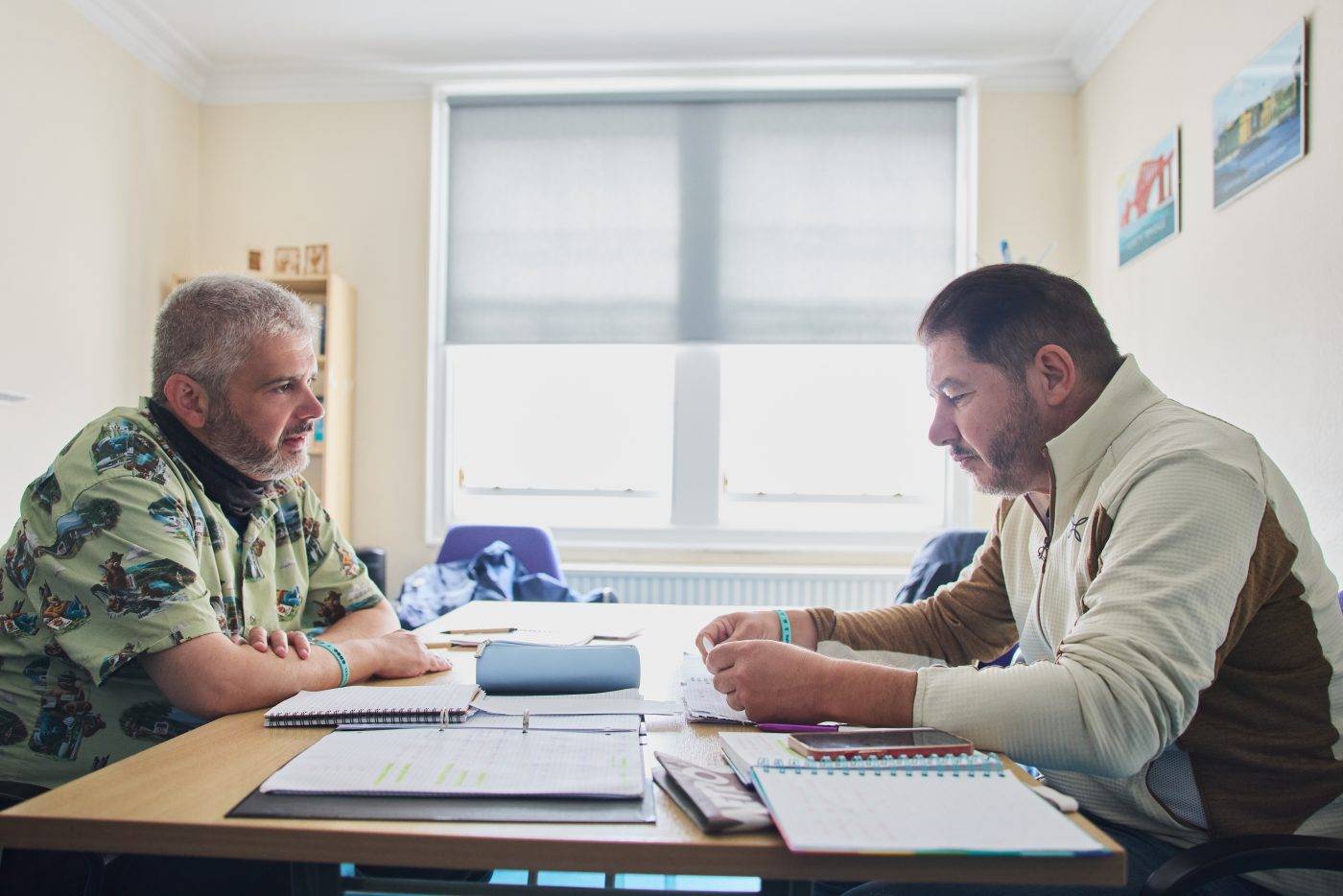
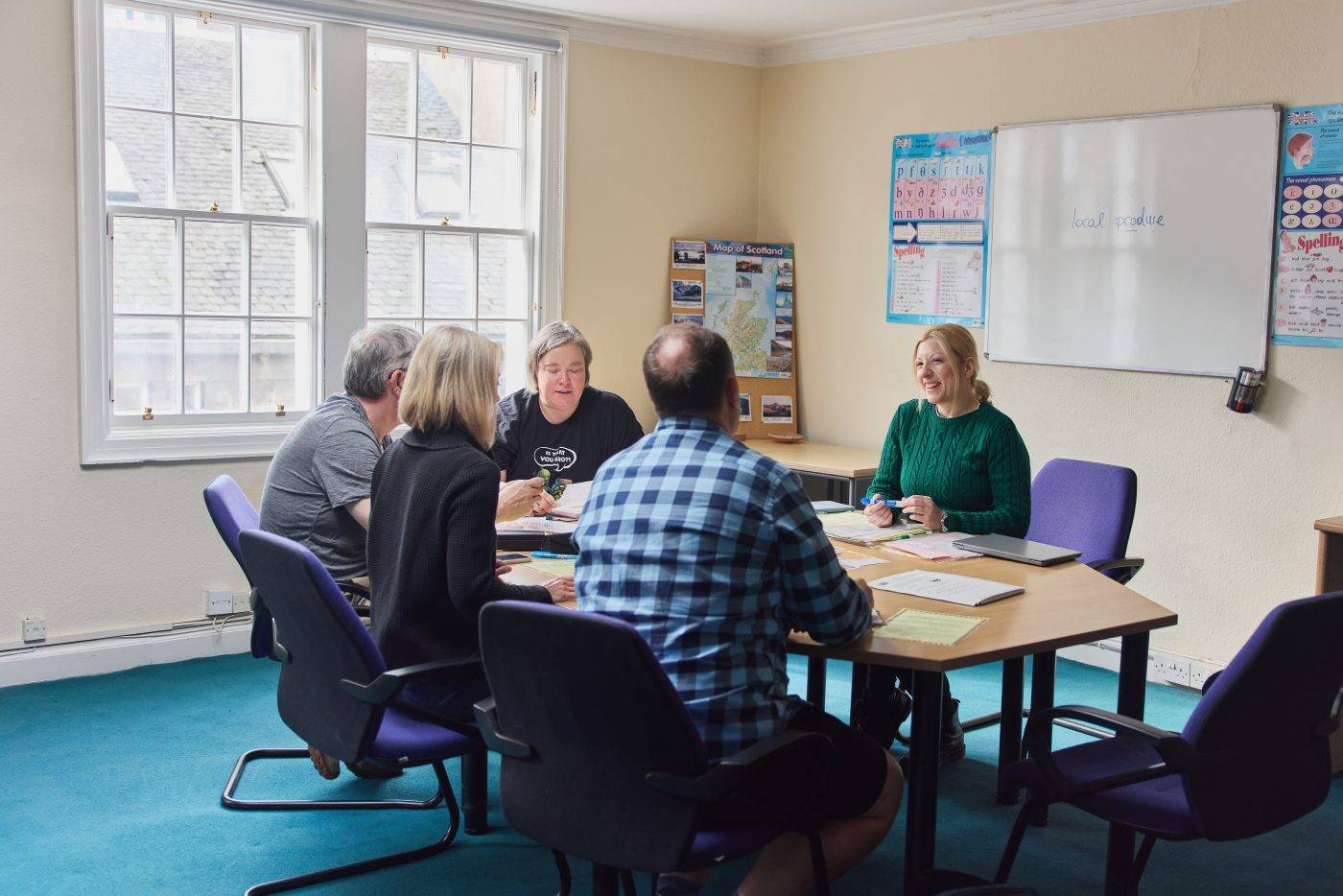
At ECS Scotland, our courses are designed for adults aged 30+. This creates a calm, purposeful learning environment where students bring life experience, professional experience and personal goals into the classroom.
You may be improving your English for work, educational leave, travel, everyday confidence or simply because you want time to focus on yourself.
In a class with other adults, the topics, pace and atmosphere can feel more relevant. You are not starting again from the beginning. You are building on what you already know and learning how to use it with more confidence.


Build listening and speaking together
Speaking and listening develop together.
If you want to speak more confidently, it helps to listen to English regularly. Try to hear different voices: teachers and classmates, as well as podcasts, interviews and films.
Listening helps you notice rhythm, pronunciation, useful phrases and natural responses. It also helps you become more comfortable when you do not understand every word.
Good communication does not mean understanding everything perfectly. It means listening for meaning, asking for clarification and staying involved in the conversation.

Choose vocabulary you will actually use
You do not need to learn every English word.
It is more useful to build vocabulary around the situations where you actually use English. For one person, that might mean meetings and presentations. For another, it might mean travel, emails or everyday conversation.
Try learning phrases rather than single words. Phrases help you speak more naturally because they are ready to use.
For example, instead of only learning the word “opinion”, learn phrases such as “In my opinion…”, “I see your point, but…” or “I’m not sure I agree.”
The more connected your vocabulary is to your real life, the easier it is to remember and use.
Why a short English course can help
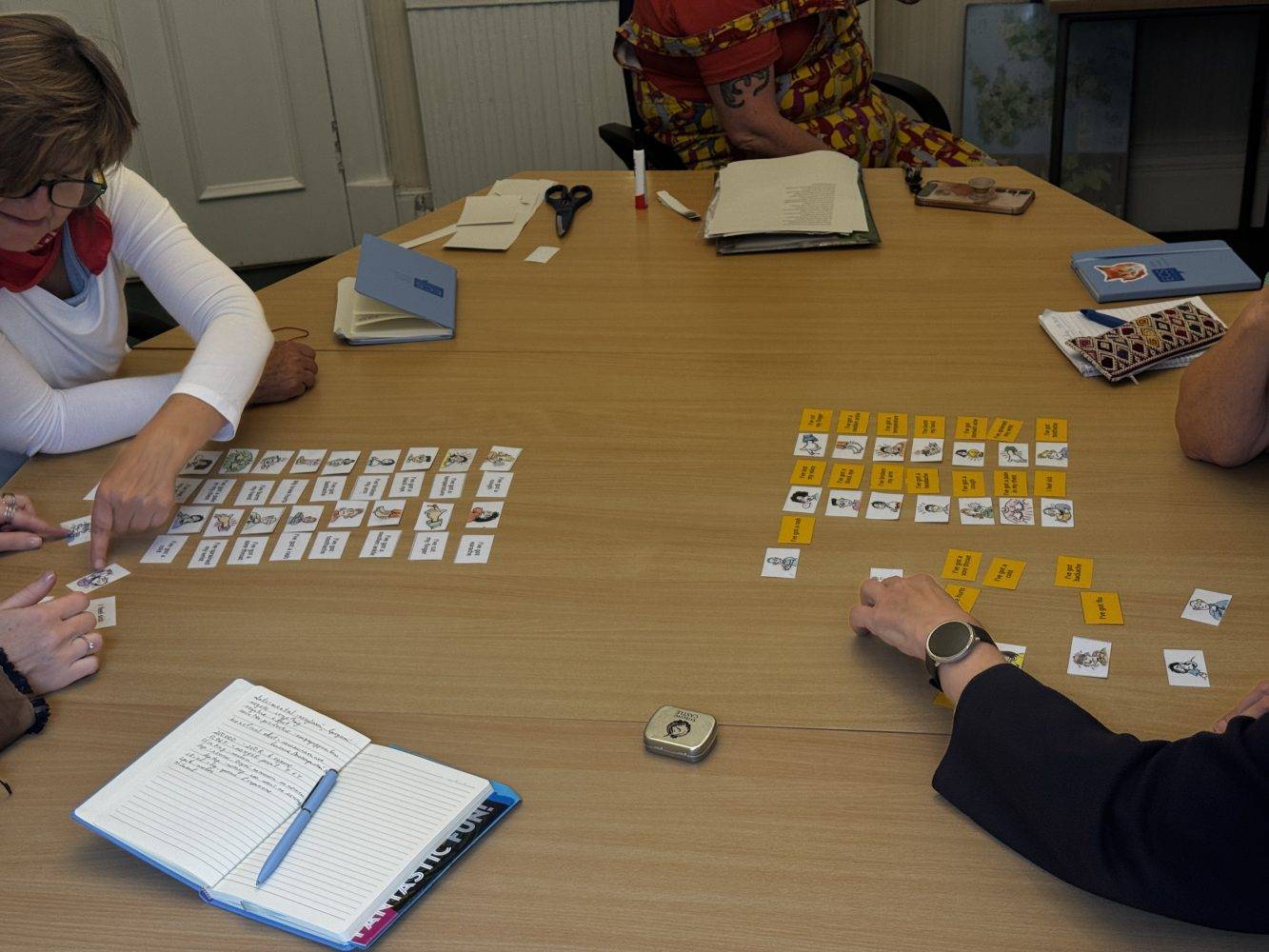
A short English course gives you focused time.
At home, English has to compete with work, family, emails and everyday routines. During a course, you have time set aside for learning, speaking and noticing what you need next.
At ECS Scotland, you can choose a course that matches your goals. General English helps you build confidence in everyday communication. Communication at Work focuses on professional situations such as meetings, international colleagues and workplace conversations. One-to-one lessons can focus on a specific area, such as Legal English, presentations, interviews or specialist vocabulary.
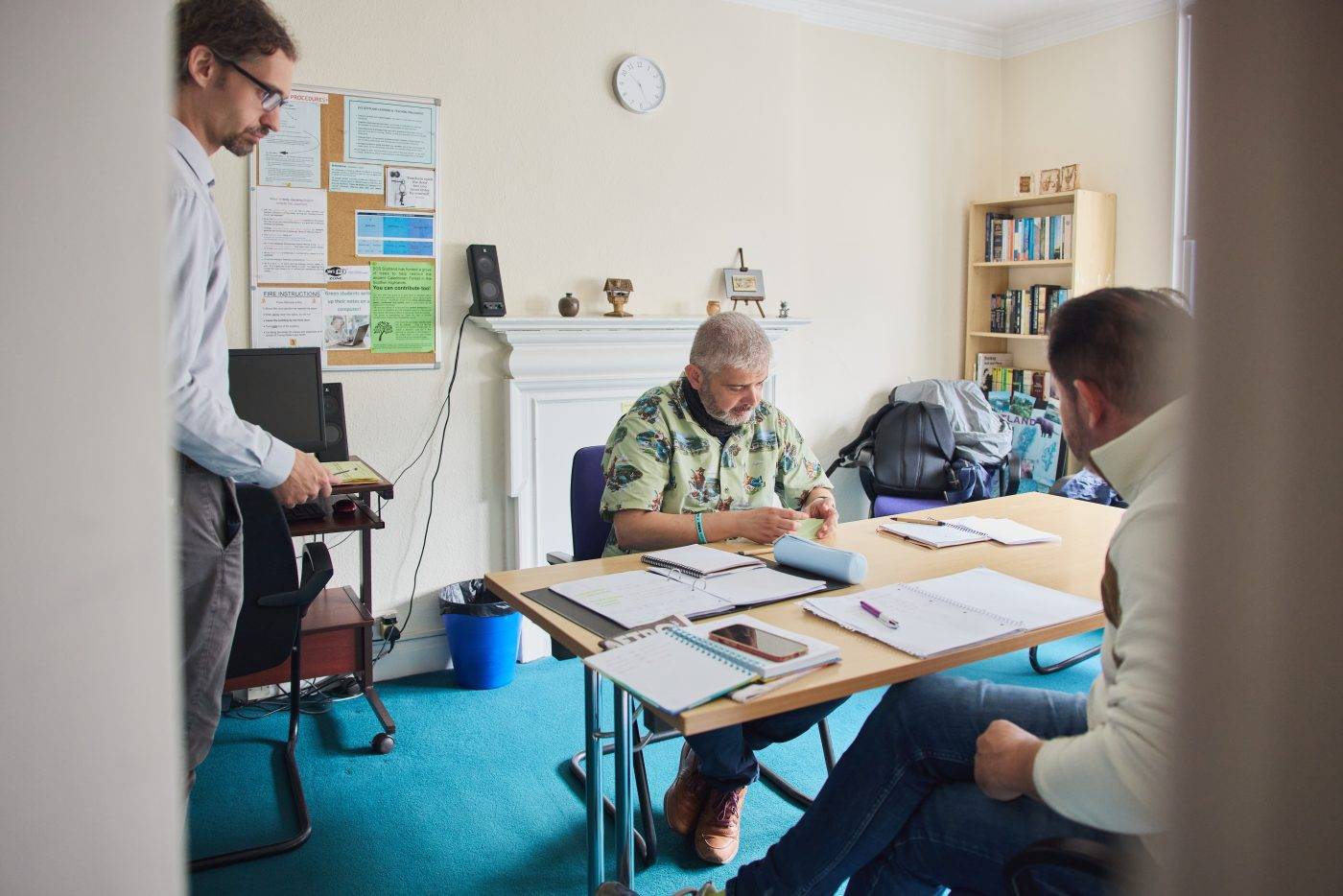
Because ECS Scotland is a family-run adult English school with a maximum of five students per class, teachers have time to respond to the people in the room. Your course can feel personal, focused and connected to the situations where you actually use English.
Keep improving after your course
The best English course does not finish when you leave the classroom.
Before you return home, think about what you can continue. You might listen to English three mornings a week, read one article every Sunday, keep a vocabulary notebook or arrange regular conversation practice online.
It also helps to connect English with things you already enjoy. If you like cooking, use English recipes. If you enjoy music, listen to interviews with musicians. If you like walking, choose a short English podcast.
The best kind of practice is the kind you will actually continue.
Watch: simple ways to practise English
Small habits can make a real difference to your English.
In this video, we share simple ideas for practising regularly and keeping English part of your everyday life.
Choose one idea to try this week. It does not need to be complicated. The important thing is to begin and keep going.
Watch the video for tips on effective practice
Which tip was most helpful for you?
A final thought
Improving your English is not only about studying harder.
It is about creating more chances to use the language, building confidence through real communication and continuing even when your sentence is not perfect.
For adult learners, the right environment matters. Time to speak, supportive feedback, useful topics and contact with other people can help English feel more natural and less like something you only study.
At ECS Scotland, we help adults improve their English in small classes, with personal attention and meaningful time in Edinburgh.
ECS Scotland is a family-run English school in Edinburgh for adults aged 30+, with a maximum of five students per class.
Interested in improving your English in Edinburgh?