Life at ECS Scotland is our weekly snapshot of learning, life in Edinburgh and the everyday moments that make studying English in Scotland memorable.
This week has brought new students, full coffee breaks, Scottish culture, summer energy and useful conversations about how people really communicate in English.
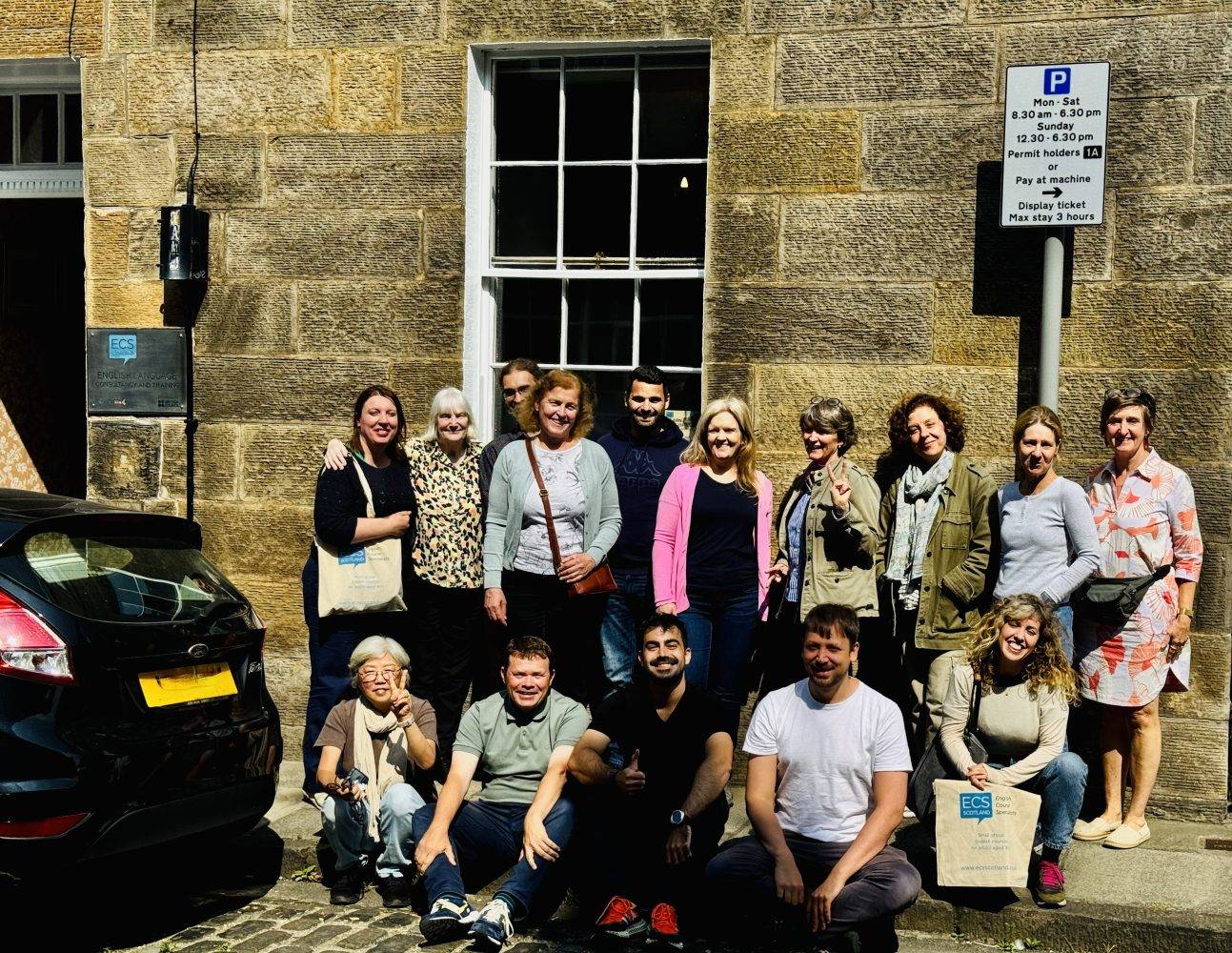
What happened at ECS Scotland?
Summer has brought a lively atmosphere to ECS Scotland, with new students arriving, others completing their courses and conversations continuing throughout the day.
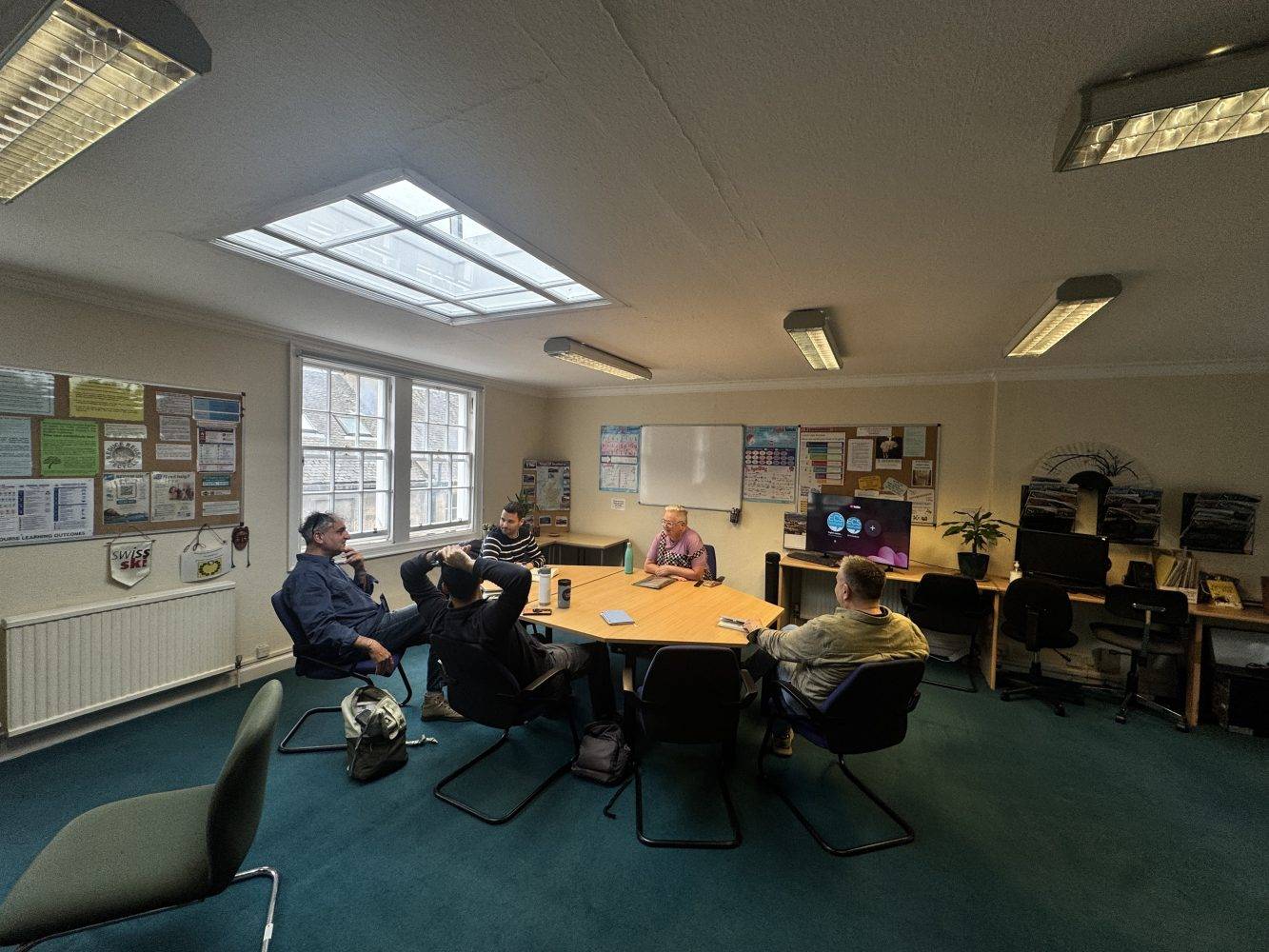
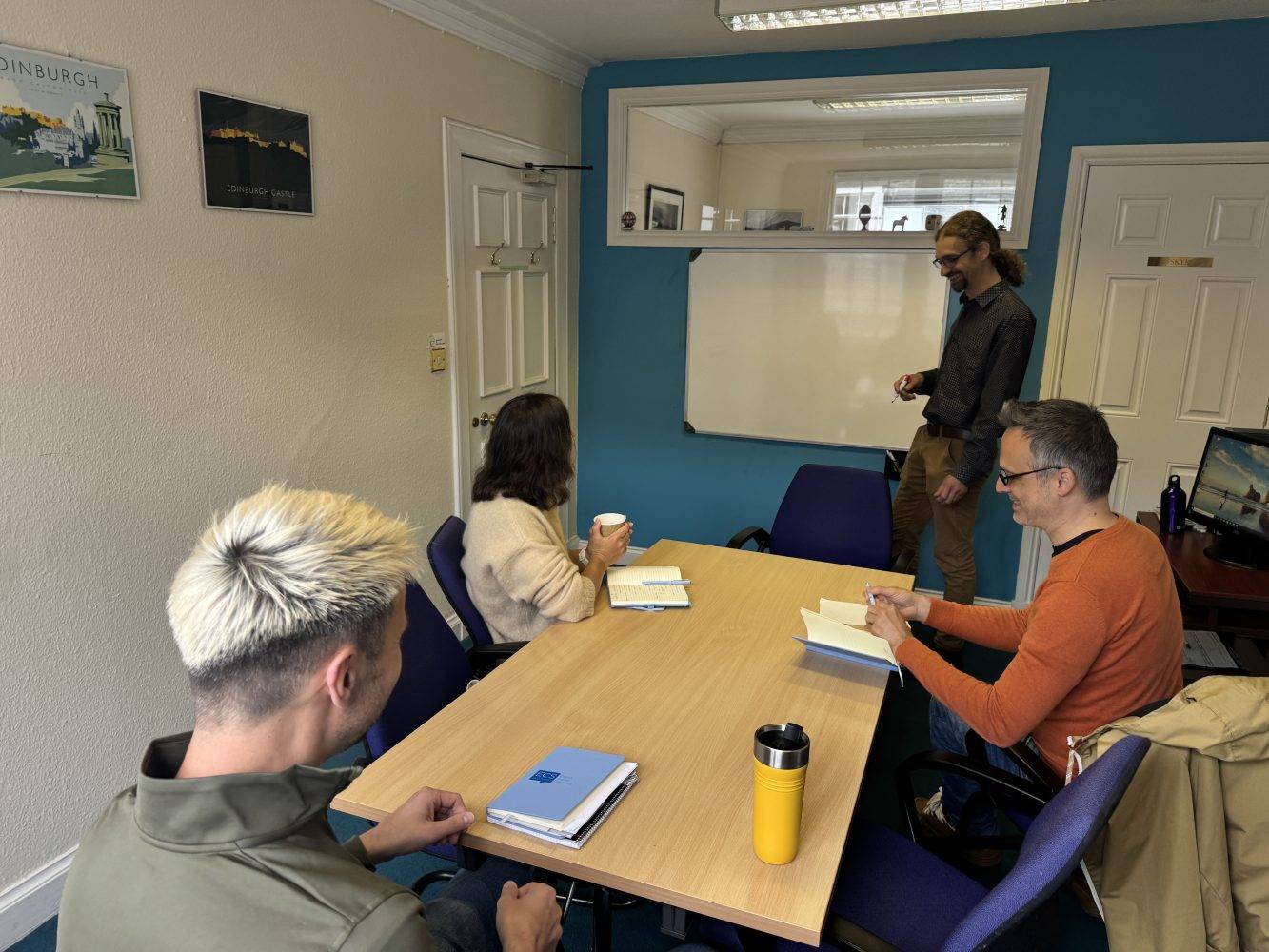
Our classes include Speaking & Listening, General English, Communication at Work, Experience Edinburgh and one-to-one lessons. Each course has its own focus, but they all share the same aim: helping students become more confident using English.
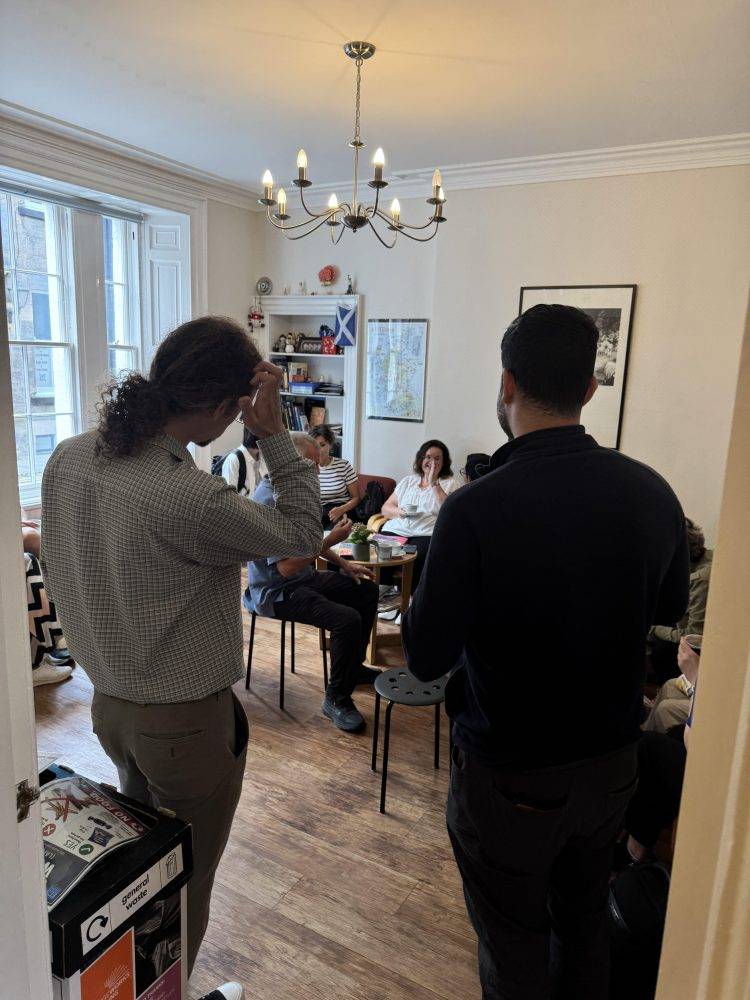
Mornings begin in the classroom before everyone comes together during the coffee break. This informal time is an important part of the school day, giving students the chance to continue conversations, meet people from a variety of countries and use English in a relaxed environment.
After the coffee break, the day continues in different ways. Some students have classroom lessons, while others set off at 11.30 for Experience Edinburgh, exploring a mixture of themes, neighbourhoods and social contexts of the city while speaking English.
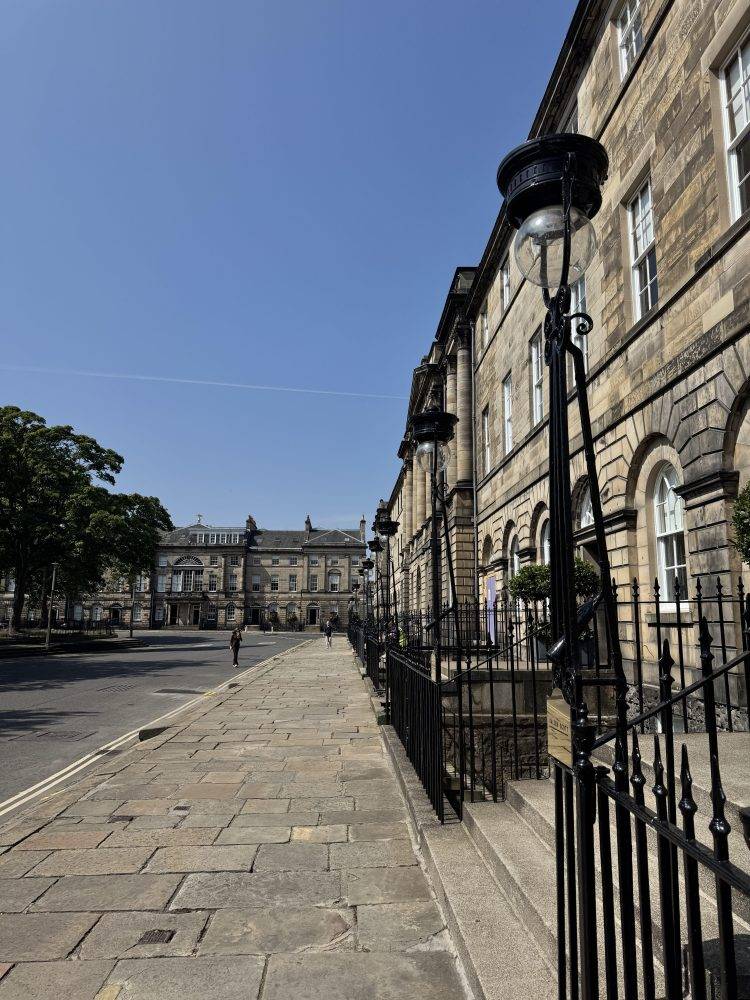
How Edinburgh can help you improve your English
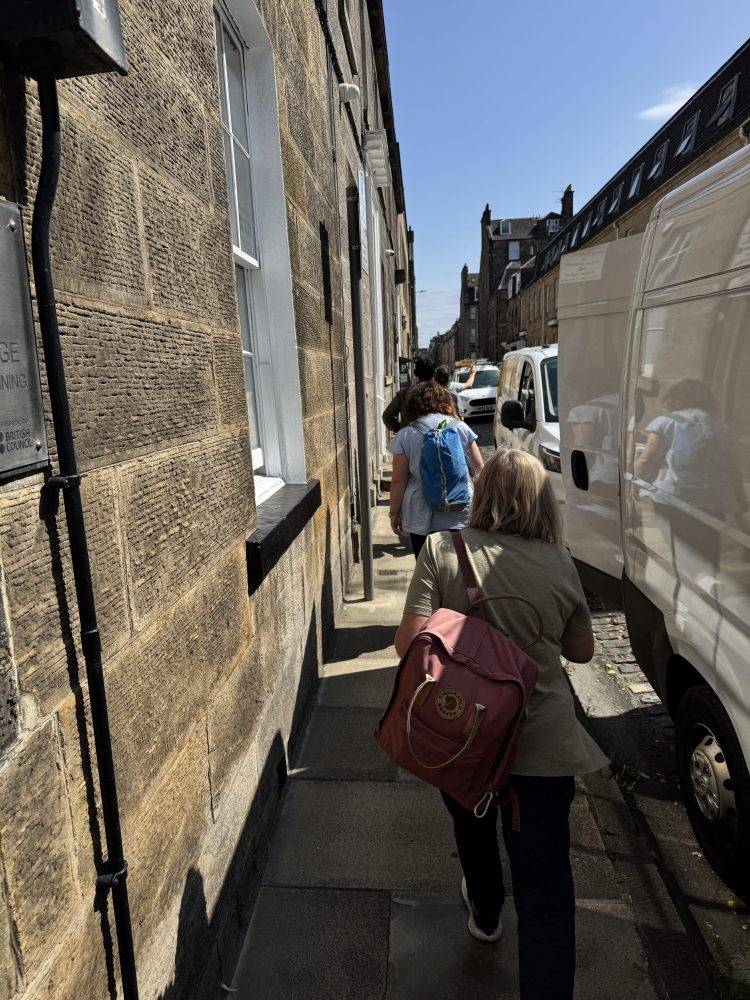
An English course in Edinburgh is not only about what happens inside the classroom. The city itself can become part of your learning experience.
The most useful activities are often the ones where you are listening, asking questions and discovering something new.
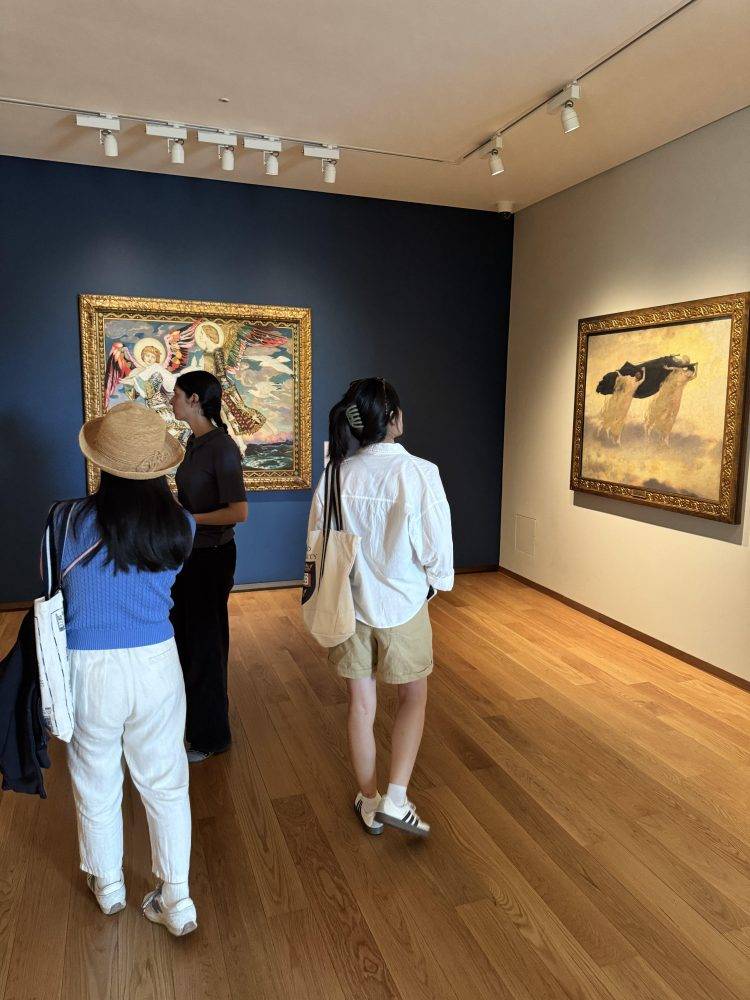
A visit to the Palace of Holyroodhouse with an audio guide, for example, can become listening practice as well as an introduction to Scottish history. St Cecilia’s Hall is another good example. As Scotland’s oldest purpose-built concert hall and home to the University of Edinburgh’s musical instrument collection, it gives visitors the chance to listen, read, ask questions and learn through culture.
Walking tours, galleries, food experiences and cultural events can also give you a reason to use English in a natural way. The key is choosing experiences that encourage you to engage with the city and the people around you.

Why mixed-level English classes can improve communication
At ECS Scotland, our English courses are designed for mixed-level classes from B1 to C1.
This reflects the reality of international communication. In workplaces and everyday situations, people regularly use English with others who have varying levels of confidence, backgrounds and communication styles.
Effective communication is not about using the most advanced English possible. It is about adapting your language so that those you are communicating with can understand.
You may need to explain an idea clearly to someone who is less fluent in English, while also taking part in discussions with people who are highly fluent. Listening carefully, checking understanding, clarifying meaning and choosing the right words are all important skills.
Some students worry that studying with different levels of English may affect their progress. However, a lower English level is not like a virus you can catch. Communicating effectively is about learning how to communicate successfully with speakers of all levels of English.
This is why mixed-level classes can be valuable. They reflect the situations people experience when they speak English internationally.
Course spotlight: Communication at Work
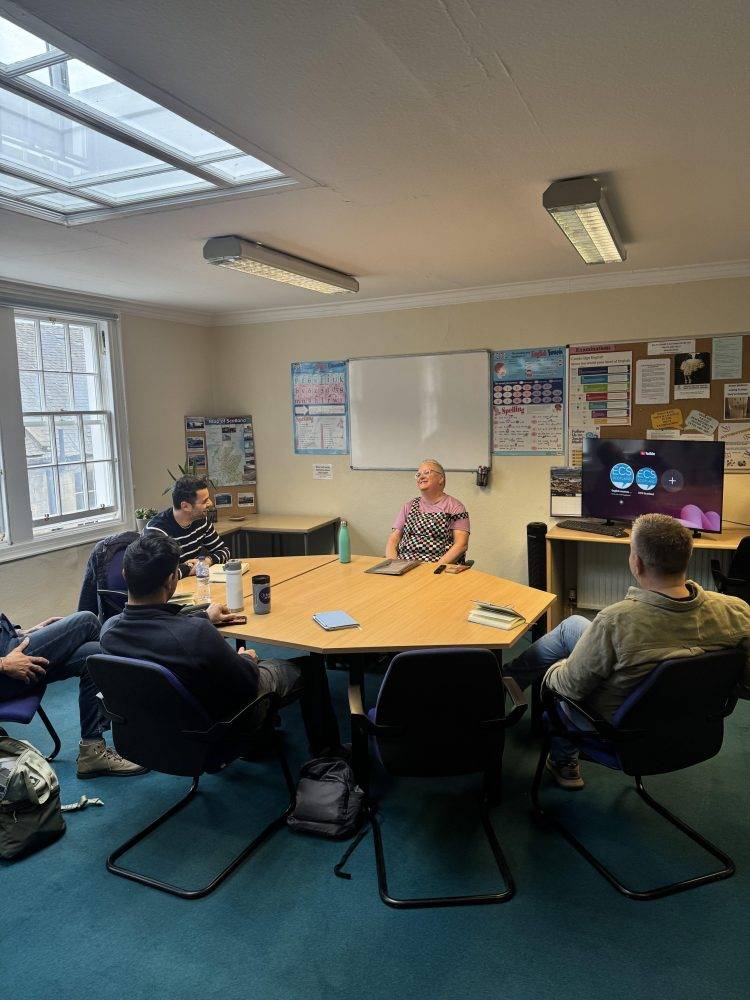
Communication at Work is designed for people who use English in workplace situations.
This could include working with international colleagues, communicating with English-speaking clients, joining meetings in English or working in an organisation where English is the shared language.
The course focuses on the skills needed to communicate effectively across cultures. Students explore how communication styles can differ, how people give feedback, how misunderstandings happen and how to express ideas clearly.
It is suitable for anyone who needs English at work, from team members to managers. The aim is to help people communicate more confidently and appropriately in international working environments.
Around the school: Discovering Scottish culture
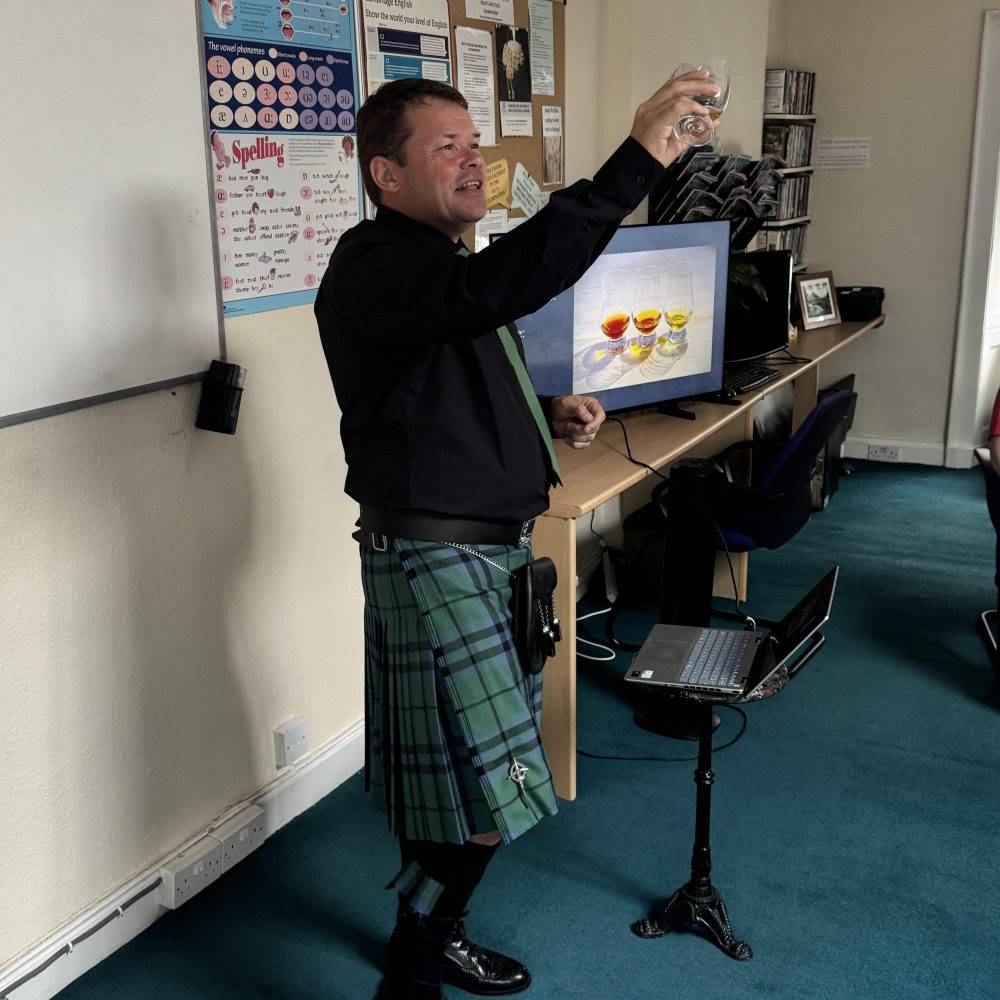
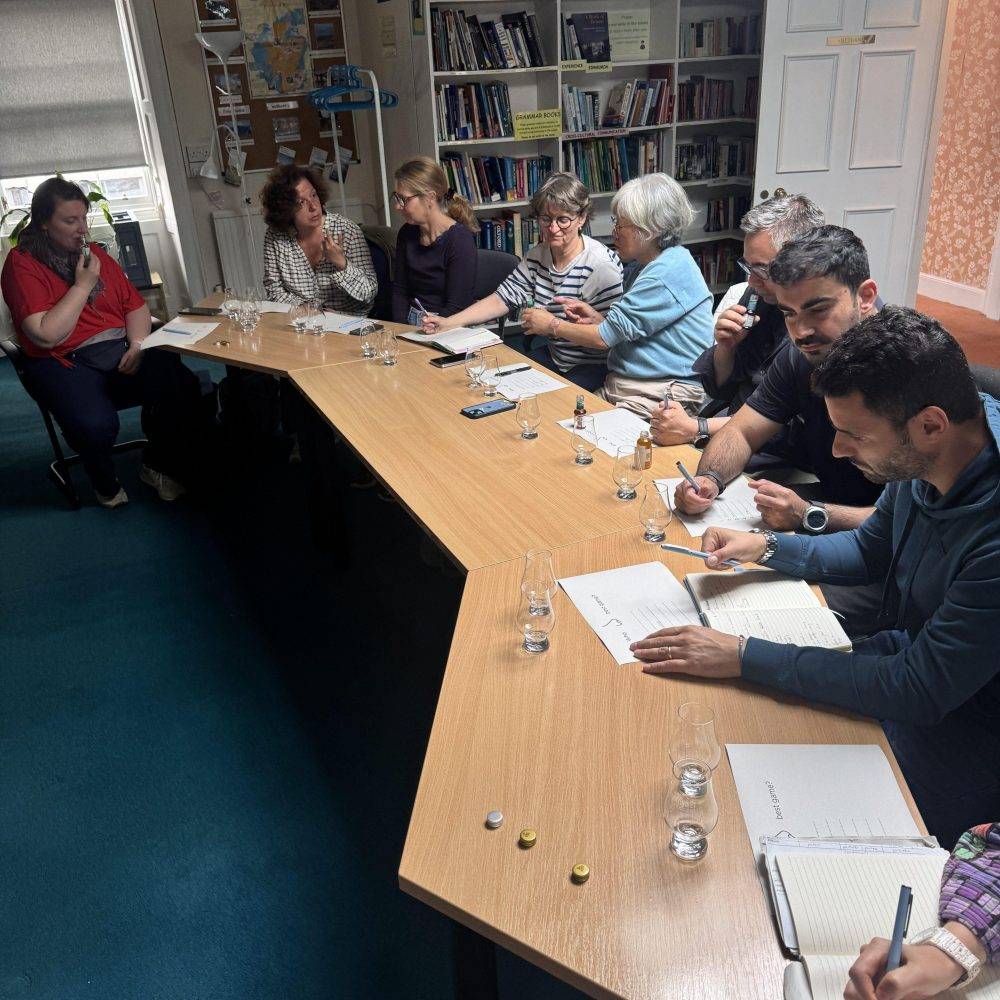
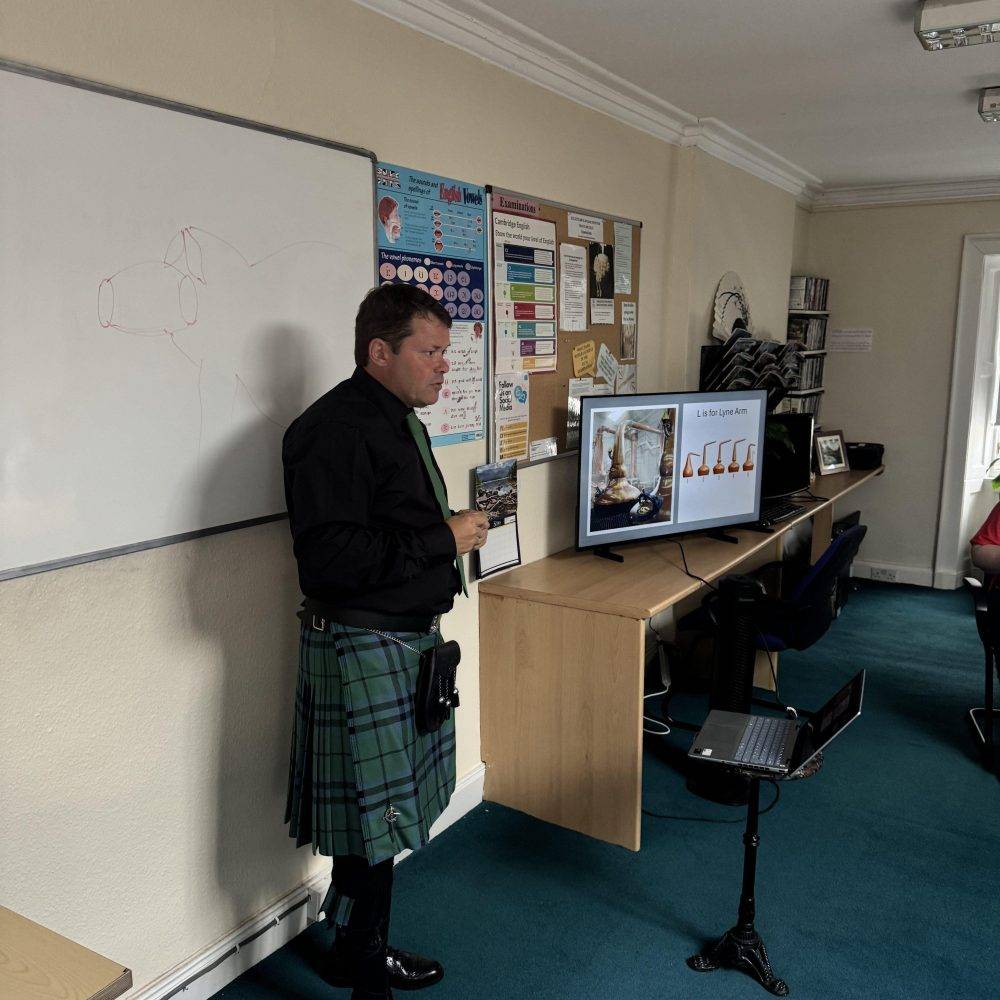
As part of the ECS Scotland social programme, Kevin led a whisky tasting session exploring the A to Z of whisky.
The session was about much more than the drink itself. Students learned about the history, traditions and cultural importance connected with one of Scotland’s best-known products.
Students had plenty to talk about, from whisky vocabulary to describing the flavours and aromas of several whiskies.
Edinburgh prepares for "festival season"
Edinburgh is beginning to feel different as the city moves into August.
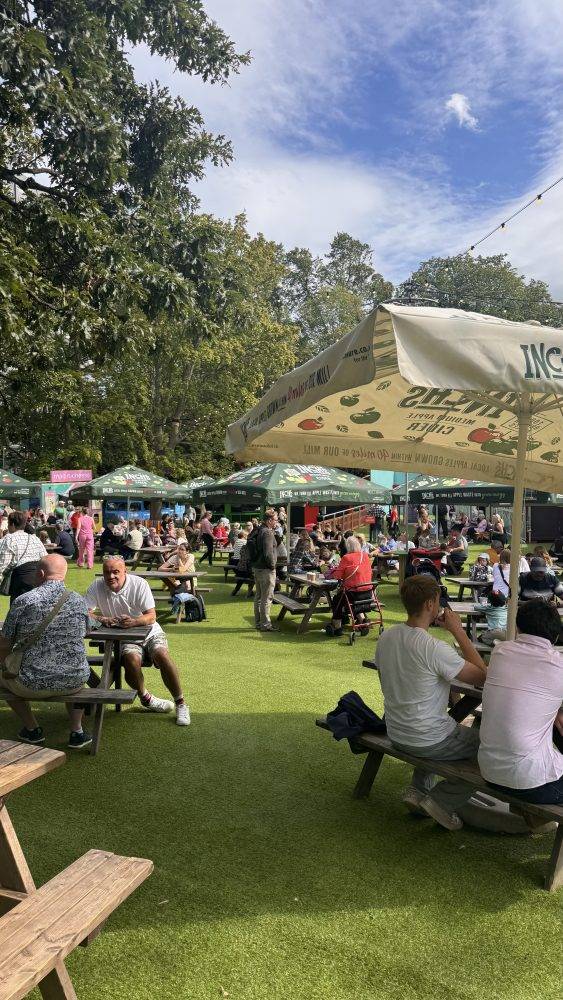
George Square Gardens is already part of the festival build-up, with the Edinburgh Folk & Food Festival running from 24 July to 2 August. The event brings together Scottish food, drink, live music and a relaxed pre-Fringe atmosphere in one of the city’s familiar festival spaces.
The Edinburgh Festival Fringe and Edinburgh International Festival both begin on 7 August, bringing theatre, music, dance and performances from around the world to venues across the city.
For adults taking an English course in Edinburgh, this is a fascinating time to experience the city. Outdoor spaces, theatres and venues begin to change, and everyday conversations often include questions and comments about shows, performances, food and what is happening around the city.


A place to discover: Lauriston Castle
Some of the best discoveries in Edinburgh are found away from its busiest streets.
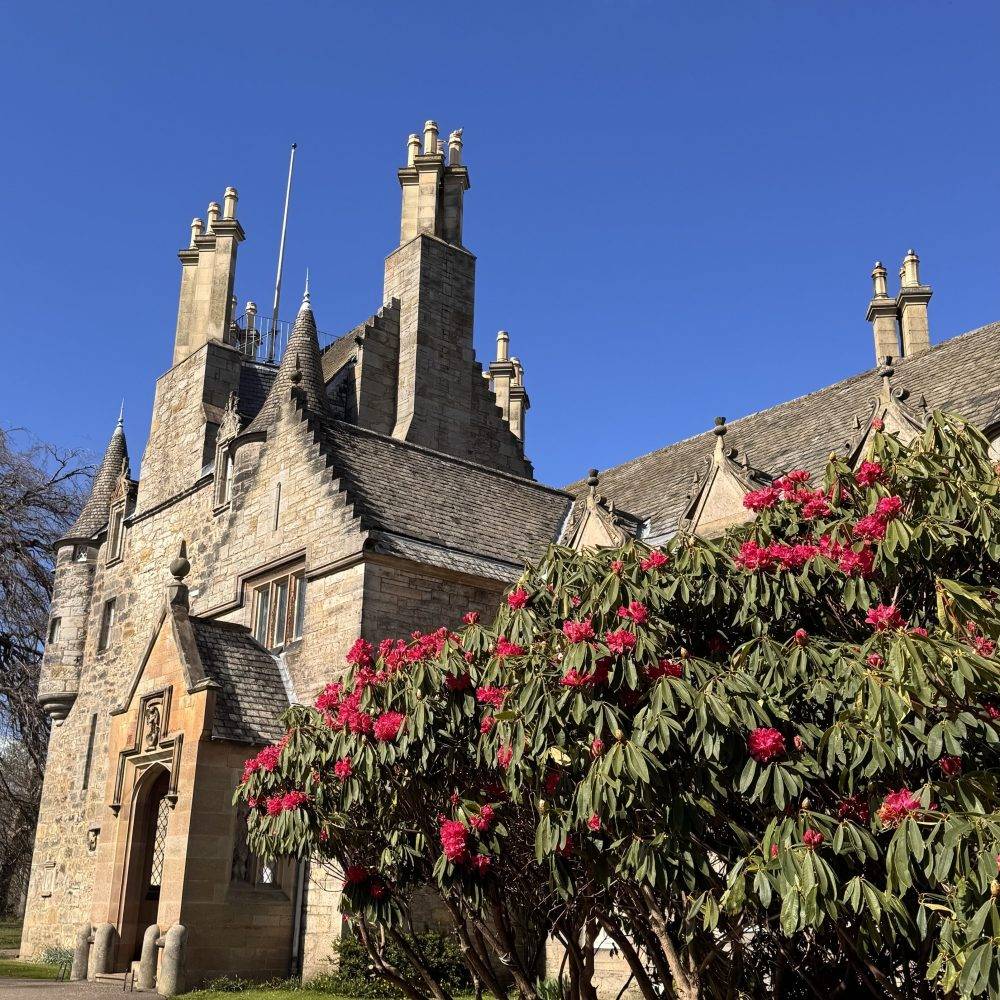
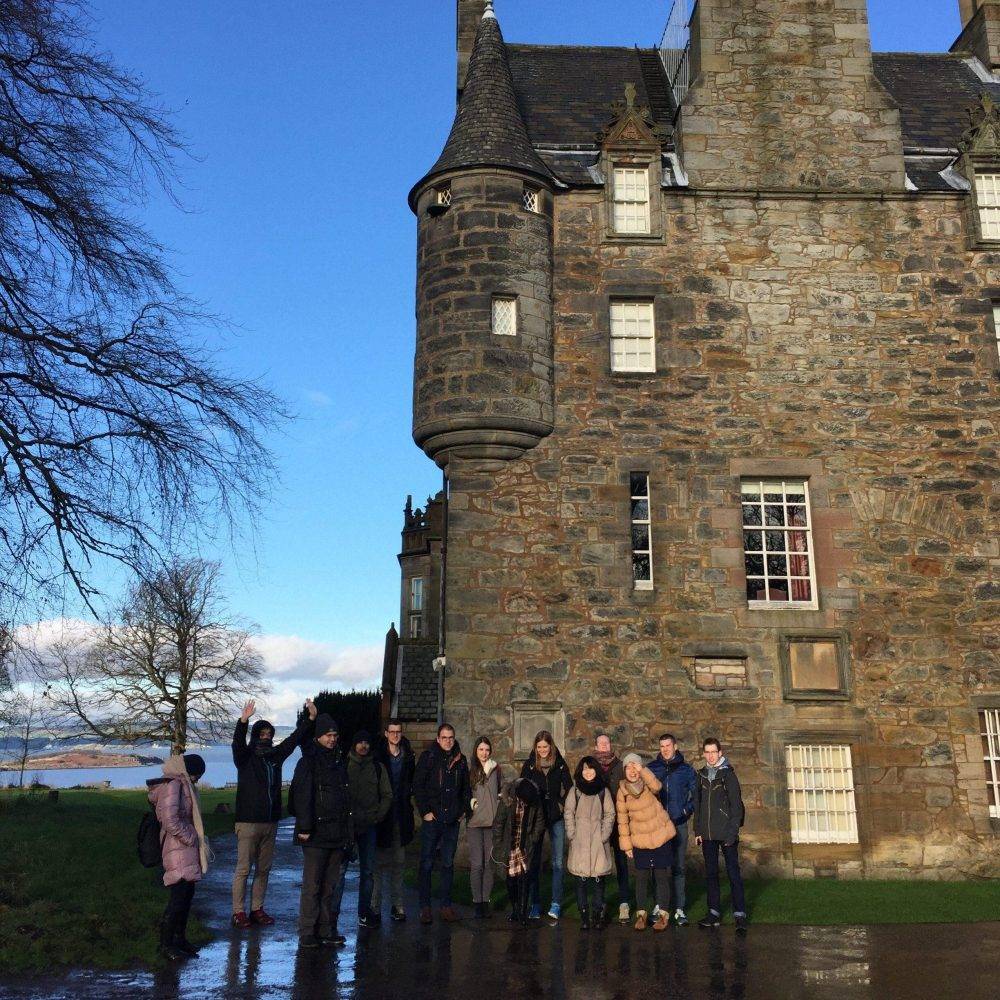
Lauriston Castle offers a quieter way to experience the city. Set in gardens overlooking the Firth of Forth, this former home combines history, architecture and coastal views. The gardens are free to visit, and the house itself can be explored through guided tours.
Take the 47 bus to Lauriston Castle and combine your visit with a walk around nearby Cramond. This is a good option for an afternoon when you would like to explore another side of Edinburgh.
A final thought
One of our students from Brazil, after studying four weeks at ECS Scotland, shared an interesting reflection.
When he arrived, he thought his main challenge was speaking. However, during his time here, he realised that listening was just as or even more important.
Conversations are not only about finding the precise words. They also involve paying attention, checking understanding, asking questions and staying engaged with the person you are speaking to.
On leaving, the student had a clearer idea of how to continue improving his English when he returned home, and the importance of developing his listening skills alongside his speaking.
That is one of the most valuable parts of a short English course: not only improving during your time in Edinburgh, but understanding how to keep developing afterwards.
Life at ECS Scotland is our weekly snapshot of learning, life in Edinburgh and the everyday moments that make studying English in Scotland memorable.
Interested in learning English in Edinburgh?
Explore our courses or contact us to discuss the best option for your goals.